Modern Home Decorating Ideas: Wall Decor Inspiration and Stylish Accessories
Introduction and Article Outline
Decorating a home is not only about filling empty corners; it is a practical way to shape mood, comfort, and daily routines. A thoughtful layout can make a compact room feel open, while the right wall treatments and accessories can give a plain space character without a full renovation. In a time when many people work, rest, and entertain in the same rooms, smart decorating choices matter more than ever. This article breaks the subject into clear steps so you can build a home that looks polished and works hard.
Good decorating sits at the meeting point of beauty and usefulness. A room may look impressive in a photo, yet fail in daily life if seating is awkward, lighting is harsh, or storage is missing. On the other hand, a practical room with no visual rhythm can feel flat and forgettable. The most inviting interiors usually balance proportion, color, texture, and function. Designers often talk about “flow,” which is simply the ease with which the eye and the body move through a space. That principle matters whether you live in a studio apartment, a family home, or a rental where every change needs to be reversible.
This article starts with an outline so the path is easy to follow:
• First, we look at the core principles behind successful home decorating.
• Next, we explore how wall decor can change scale, mood, and visual interest.
• Then, we examine modern home accessories and how to use them without clutter.
• Finally, we bring everything together with practical planning advice for real homes and real budgets.
Along the way, you will see comparisons that help with decision-making: bold versus quiet color schemes, oversized statement art versus layered gallery walls, open display versus hidden storage, and minimal accessories versus curated collections. The goal is not to chase a perfect showroom. It is to create a setting that reflects the people who live there. Think of decorating as editing a story you already started, one lamp, one frame, and one beautifully chosen object at a time.
Home Decorating Ideas That Create Balance, Flow, and Comfort
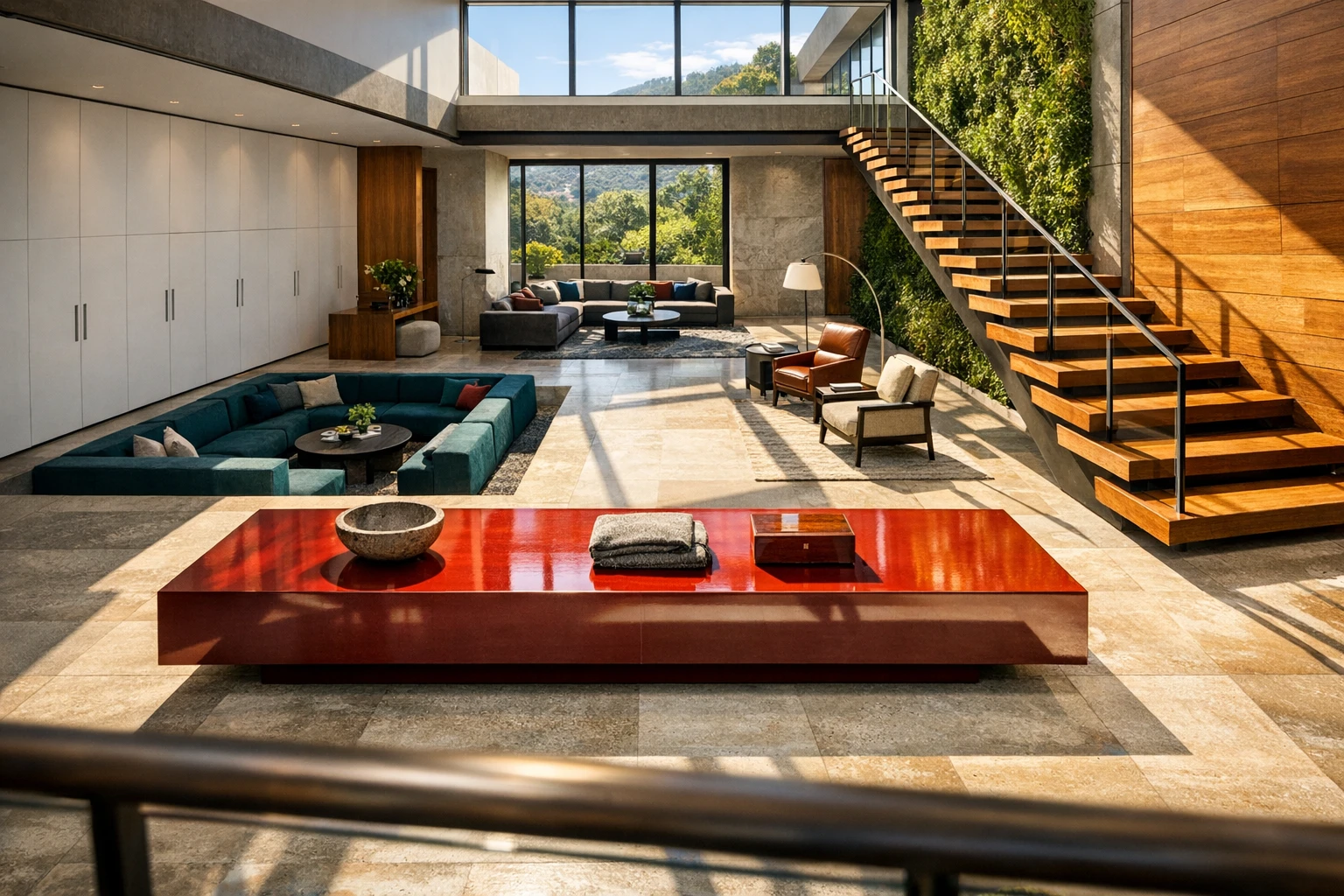
The strongest decorating ideas usually begin with structure rather than shopping. Before choosing cushions, candles, or coffee table books, it helps to study the room itself. Consider natural light, traffic patterns, ceiling height, and the visual weight of existing furniture. A large sectional, for example, can dominate a modest living room unless it is balanced by lighter pieces such as a slim-leg chair, a glass table, or an open bookshelf. In the same way, a room with very little daylight often benefits from warm neutrals, reflective finishes, and layered lighting rather than deep colors that absorb light.
One of the most reliable methods for creating harmony is the 60-30-10 color approach. In simple terms, about 60 percent of the room carries the main color, 30 percent supports it, and 10 percent appears as an accent. This is not a strict law, but it is a useful guide when a room feels chaotic. A soft beige wall, medium-toned wood furniture, and dark green accents can feel grounded and current. By contrast, too many unrelated colors can make even expensive furnishings look disconnected. If you want a more energetic atmosphere, use contrast with intention: black against oak, rust against cream, or charcoal with brass.
Scale matters just as much as color. Small rugs are a common mistake because they visually shrink a room. In many seating areas, a larger rug that allows at least the front legs of major furniture to sit on it creates cohesion. Curtains should also be hung higher and wider than the window frame when possible. That small adjustment makes ceilings seem taller and windows more generous. These are the quiet tricks of decorating: subtle decisions that change perception without demanding attention.
Furniture selection is another place where comparison helps:
• Low-profile furniture often suits modern interiors and keeps sightlines open.
• Curved furniture softens rooms that contain many hard edges and rectangular forms.
• Closed storage creates a calmer look than open shelving when daily clutter is hard to control.
• Multifunctional pieces, such as storage benches or nesting tables, are especially useful in smaller homes.
Texture is the element that keeps neutral rooms from feeling cold. Linen curtains, boucle seating, woven baskets, matte ceramics, brushed metal, and natural wood all create variety without visual noise. A room built from one texture alone can feel flat, much like a song played on a single note. Mix smooth with rough, soft with structured, matte with subtle shine. The result is richer, more layered, and more welcoming. When people say a room has “soul,” texture is often part of the reason.
Finally, remember that comfort is not separate from style. If a room looks elegant but nobody wants to sit there, the decorating has missed its mark. Home decorating works best when it supports the way you actually live, not the way a catalog expects you to live.
Wall Decor Inspiration for Depth, Personality, and Visual Rhythm
Walls are often the largest blank surfaces in a home, which is why they carry so much decorative potential. Yet they are also easy to mishandle. Art that is too small can feel timid, while too many scattered pieces can create visual static. Strong wall decor starts with understanding the role each wall should play. Some surfaces should act as quiet backdrops, especially in rooms that already have patterned textiles or sculptural furniture. Other walls can become focal points through large-scale art, wallpaper, paint treatment, mirrors, shelving, or panel details.
A useful starting guideline for hanging framed art is to place the center roughly 57 to 60 inches from the floor, which aligns closely with average eye level. Above a sofa, console, or bed, the art should relate to the furniture below it rather than float in isolation. Many decorators aim for artwork that spans around two-thirds of the width of the furniture piece. This creates a more connected composition. For gallery walls, consistent spacing matters. Leaving roughly 2 to 3 inches between frames often looks intentional without feeling rigid.
The choice between one large piece and several smaller pieces depends on the room’s personality. A single oversized artwork creates calm and confidence. It tends to suit modern interiors, where clean lines and generous negative space are part of the aesthetic. A gallery wall, by contrast, feels layered and personal. It can combine family photos, prints, sketches, and objects collected over time. If one option is a confident headline, the other is a compelling conversation.
Wall decor also extends beyond framed art:
• Mirrors can brighten darker rooms by reflecting available light.
• Wall sconces add both decoration and function, especially in bedrooms and hallways.
• Wood slats, molding, or paneling introduce architectural texture.
• Wallpaper can define a dining area, entry, or powder room with relatively little square footage.
• Floating shelves allow rotating displays, though they look best when styled with restraint.
Paint is still one of the most affordable tools for changing a wall dramatically. A full room in one color creates immersion, while a painted arch, block, or stripe can frame furniture without permanent construction. Dark tones can feel sophisticated in rooms with strong lighting and enough contrast, but they need balance from lighter textiles or reflective surfaces. Lighter walls are generally more adaptable and help smaller rooms feel airy, though they may need richer textures to avoid looking sterile.
When searching for inspiration, think beyond what is trending. The most successful walls say something about the home: travel photos arranged with intention, vintage maps, handmade ceramics, black-and-white portraits, or even a series of botanical prints that echo the garden outside. A wall should not feel like an afterthought. It should feel like a sentence in the larger language of the room.
Modern Home Accessories That Add Style Without Creating Clutter
Accessories are often described as the finishing touch, but that phrase can be misleading. In reality, they do more than finish a room; they guide its mood, polish its color story, and soften the gap between furniture and architecture. The trick is knowing how much is enough. Modern interiors generally favor fewer objects with clearer purpose, stronger shape, and better material quality. That does not mean a room must be sparse. It means every visible piece should earn its place.
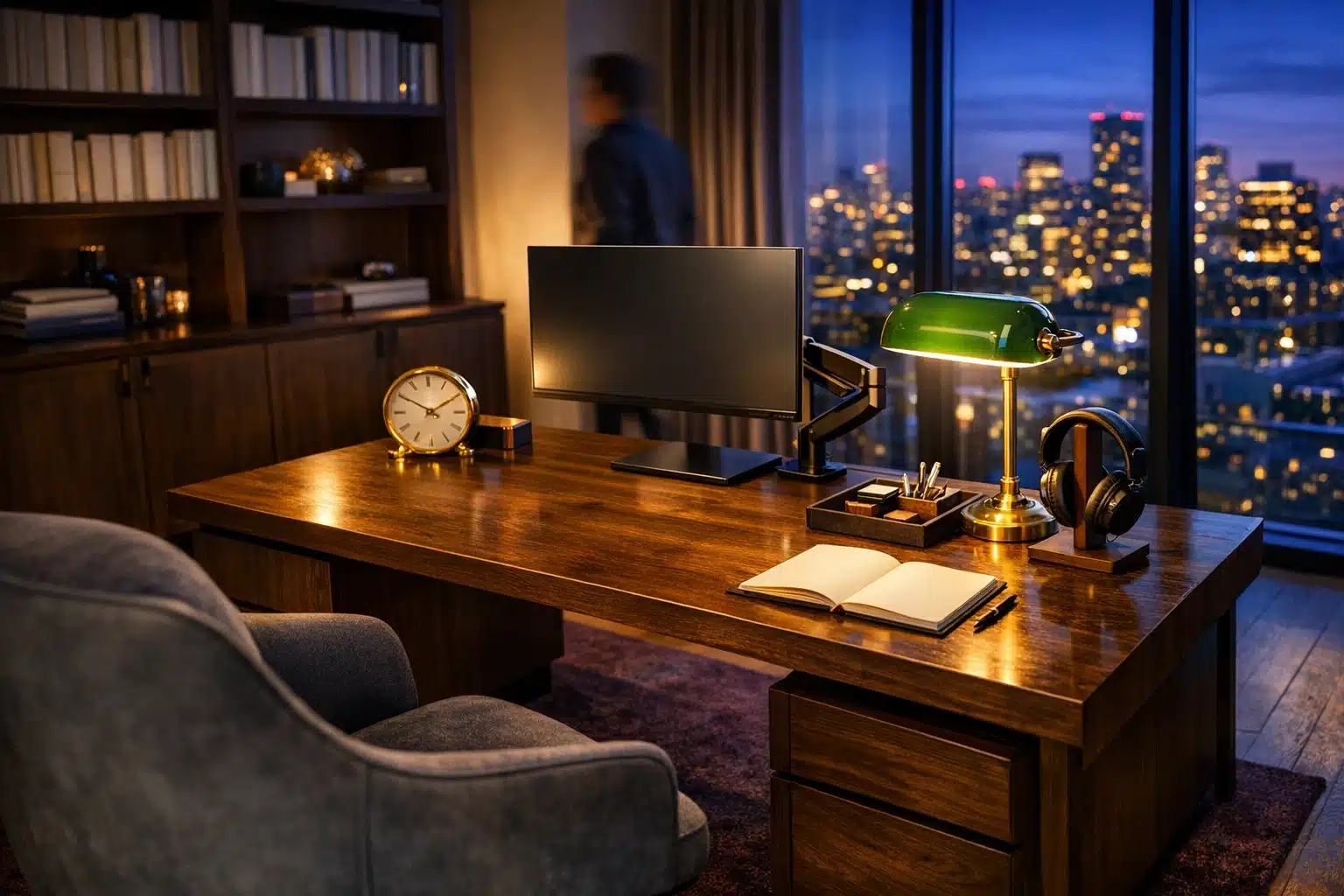
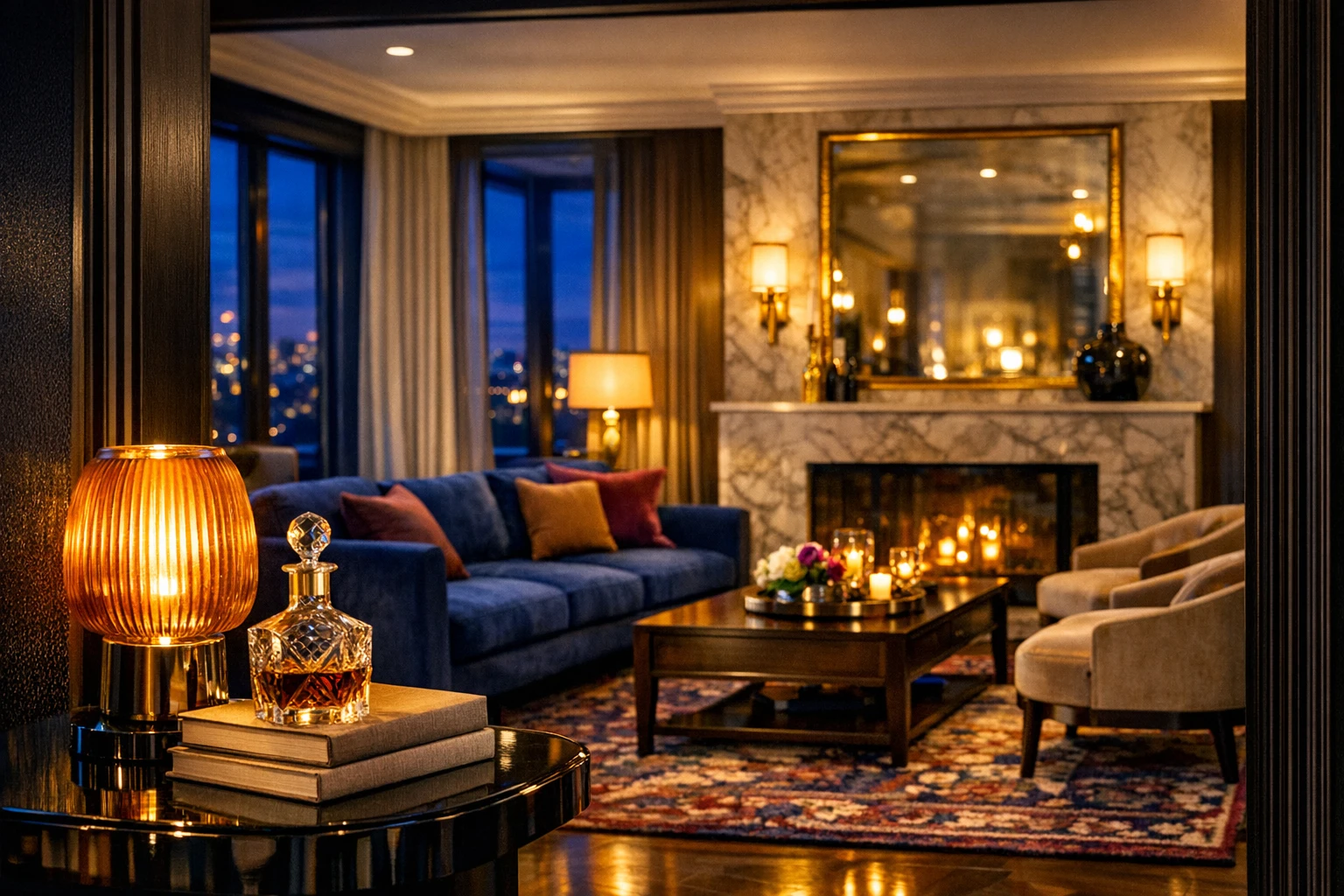
Start with categories rather than random purchases. Lighting, textiles, trays, books, plants, vases, bowls, and sculptural objects are among the most flexible accessories because they combine beauty with function. Table lamps, for instance, do far more than fill a side table. They create ambient light, add height, and introduce material contrast through ceramic, glass, metal, or stone bases. In many rooms, layered lighting matters more than a single overhead fixture. A ceiling light may help you see, but softer side lighting helps a room feel lived in.
Textiles are another powerful tool. Cushions, throws, rugs, and curtains can shift the entire tone of a space with less effort than changing furniture. Compare a leather sofa styled only with matching cushions to the same sofa layered with linen, wool, and velvet in related tones. The second version usually feels warmer and more dimensional. Even small material changes can alter perception. Matte black hardware reads more graphic than polished chrome; brushed brass feels warmer than silver-toned finishes; ribbed glass introduces more texture than plain clear glass.
To keep accessories from turning into clutter, think in small compositions:
• Group objects in odd numbers when arranging a tray, shelf, or console.
• Vary height, shape, and finish so the eye moves naturally.
• Leave negative space around key pieces instead of filling every surface.
• Repeat one or two materials across the room for consistency.
• Choose storage baskets or boxes that hide practical items while still looking intentional.
Plants deserve special mention because they bring movement, color, and organic irregularity into rooms dominated by straight lines. A tall olive tree or rubber plant can soften a corner, while a cluster of smaller plants can animate shelving. If live plants are not realistic for your routine, high-quality faux greenery can still contribute shape and softness without becoming a burden.
The best modern accessories are not loud. They are persuasive. A stone bowl on a wooden table, a smoked glass vase on a console, a stack of art books beside a textured lamp, a carefully chosen scent in an entryway: these details do not shout for attention, yet they change how a room is experienced. Accessories work like punctuation. Used well, they bring rhythm and clarity. Used poorly, they create noise.
Bringing It All Together: Planning, Budget Priorities, and a Practical Conclusion
Once you understand the building blocks of decorating, the next step is editing and sequencing. Many people buy decor in the wrong order, beginning with small accents because they are easier to purchase. A more effective plan starts with the largest visual elements: layout, wall color, rug, major furniture, lighting, and then accessories. This order prevents the common problem of trying to force a room together after impulse buys have already set the wrong tone. If the sofa is too large, the rug too small, and the lighting too harsh, no amount of decorative objects will fully solve the issue.
Budget planning becomes easier when you separate “foundation” purchases from “flexible” purchases. Foundations include pieces that shape daily use and usually cost more to replace, such as seating, dining tables, rugs, or major light fixtures. Flexible items include cushions, throws, artwork, small mirrors, trays, and decorative vessels. Spending more on foundations often creates a better long-term result because those pieces define comfort and proportion. Accessories can then evolve slowly over time, which usually leads to a more personal home anyway.
A practical decorating checklist can help:
• Measure every room before buying large furniture or wall art.
• Take photos in daylight and at night to understand lighting needs.
• Build a simple palette of two or three main tones before shopping widely.
• Mix old and new pieces so the room feels collected rather than staged.
• Leave at least one area in each room visually quiet to avoid fatigue.
It is also useful to think about audience, because homes are lived in by real people with different priorities. A renter may need removable wallpaper, leaner shelving, and compact furniture that can travel easily. A family with children may prioritize washable fabrics, rounded edges, and closed storage. Someone furnishing a first apartment may benefit most from versatile basics that can shift between rooms as needs change. Decorating is not one formula; it is a set of choices shaped by lifestyle.
For readers who want to improve their homes without losing practicality, the clearest path is this: begin with function, add structure through color and scale, give your walls a considered voice, and finish with accessories that support rather than overwhelm. A well-decorated home does not need to be expensive, dramatic, or trend-driven. It needs coherence, intention, and enough personality to feel unmistakably yours. When those elements come together, even an ordinary room can feel quietly memorable, like a space that has finally learned how to breathe.