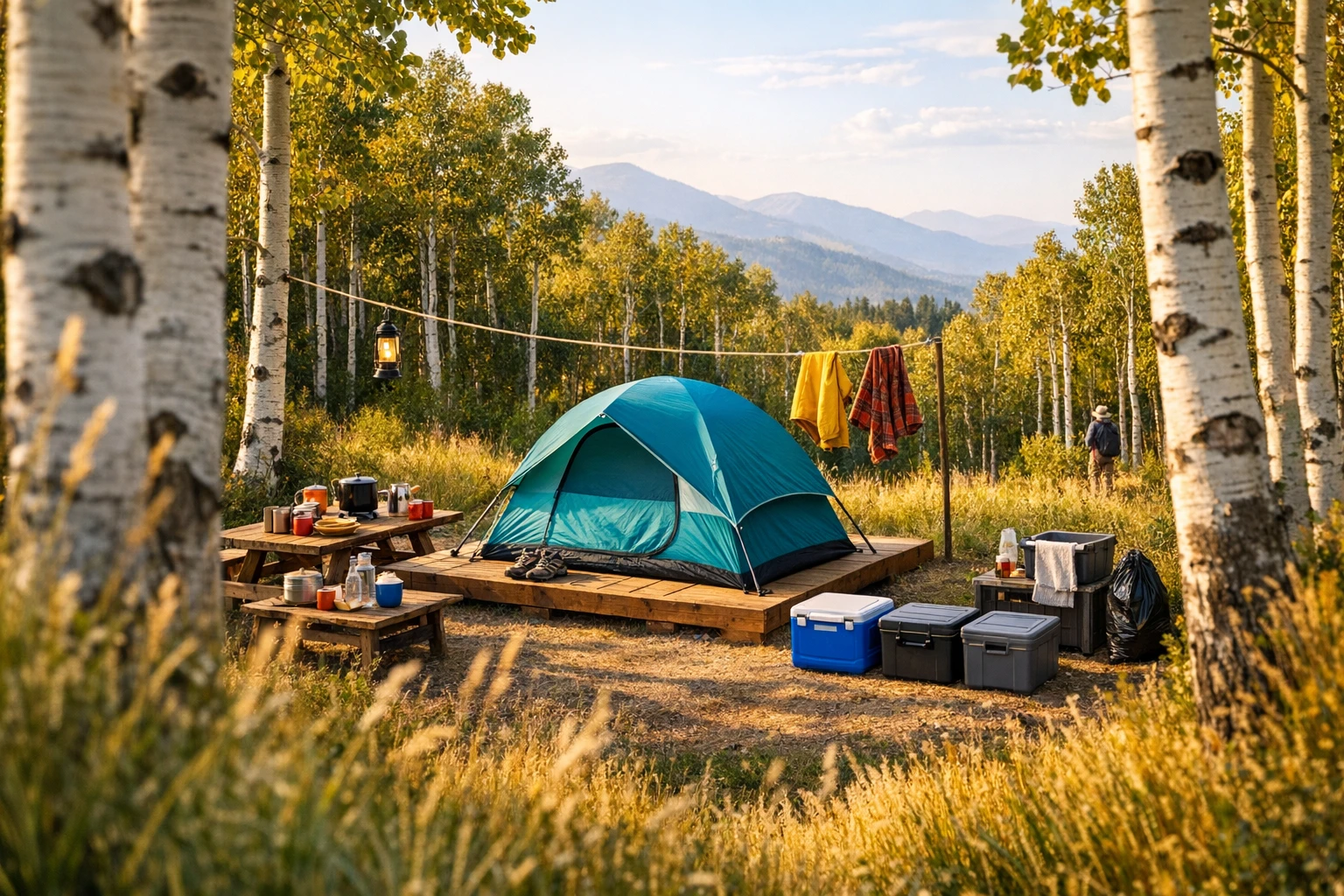
Camping for Beginners: A Practical Checklist and Camp Cooking Ideas
Camping looks simple from a distance—just a tent, a fire, and a sky full of stars—but a good trip usually comes from quiet preparation. Beginners enjoy the outdoors far more when they know what to pack, how to set up camp, and which meals will still sound good after a long walk. This guide brings those pieces together so your first nights outside feel less like guesswork and more like a small, satisfying adventure.
Article outline:
- How beginners can plan a realistic first camping trip
- A practical checklist with essential gear and optional upgrades
- Simple campsite setup, safety habits, and comfort tips
- Easy camp cooking ideas, meal planning, and food storage basics
- A final beginner-focused summary with common mistakes to avoid
1. How Beginners Should Plan a First Camping Trip
For a first outing, the smartest goal is not to prove how tough you are. It is to make the experience easy enough that you notice the good parts: the cool air at sunset, the small crackle of a stove, the odd satisfaction of sleeping somewhere that is not surrounded by walls. That is why experienced campers often recommend starting with car camping instead of backpacking. When your vehicle is nearby, you can carry more comfort items, correct a packing mistake without panic, and focus on basic routines rather than survival skills.
A short trip is usually the best teacher. One night or a simple weekend close to home gives you room to learn without turning every small mistake into a major problem. If the weather changes, if your sleeping setup is colder than expected, or if you realize you forgot a spatula, the consequences are manageable. Many beginners also sleep better on their second night outdoors than their first, so a two-night trip can be ideal if the campsite is easy to reach and facilities are available.
When choosing a campground, compare three things: convenience, amenities, and conditions. A developed campground with bathrooms, potable water, marked tent pads, and picnic tables removes several layers of difficulty. More remote sites may offer privacy and a stronger feeling of escape, but they also demand better navigation, better water planning, and more confidence with gear. For a first trip, comfort usually wins. There is no prize for making your learning curve steeper than it needs to be.
Before booking, check:
- Weather forecast, including overnight lows and wind
- Fire rules and seasonal restrictions
- Water availability and whether it is potable
- Wildlife guidance for food storage
- Arrival time, quiet hours, and check-out policy
It also helps to do a backyard or living-room test run with your tent, stove, lantern, and sleeping pad. That single hour of practice can remove a surprising amount of friction. Tent poles make more sense in daylight than in wind. Stove igniters fail at inconvenient moments. And a sleeping pad that feels fine on the floor at home may reveal its weaknesses before it ruins a night outside. In a way, beginner camping is less about buying perfect gear and more about turning uncertainty into familiarity, one small rehearsal at a time.
2. A Practical Camping Checklist: What to Pack and Why It Matters
A useful camping checklist does more than name objects. It helps you understand why each item earns its place. Beginners often overpack novelty items and underpack the things that determine comfort: warmth, light, dry clothing, water, and a decent sleep system. The right checklist is not about stuffing a car until the doors barely close; it is about creating a campsite that works predictably.
Start with the sleep-and-shelter core. These items usually matter more than gadgets:
- Tent with rainfly, stakes, and footprint or ground tarp
- Sleeping bag suited to the expected temperature
- Sleeping pad or air mattress for insulation and comfort
- Pillow or stuff sack filled with soft clothing
- Headlamp or lantern with spare batteries
The sleeping bag deserves special attention. Temperature ratings can be misunderstood, because a bag’s listed number is not always the same as real comfort for every sleeper. As a general rule, many campers choose a bag rated around 10 to 15 degrees Fahrenheit lower than the forecast overnight low if they tend to sleep cold. The sleeping pad matters too, because the ground pulls heat away from the body. Even a warm bag feels weaker when the insulation underneath is poor. Foam pads are simple, durable, and budget-friendly, while inflatable pads usually offer more cushioning at a higher price.
Clothing should be chosen by function rather than optimism. Conditions change quickly outdoors, especially after sunset. Pack layers instead of one bulky answer to every problem:
- Moisture-wicking base layer
- Warm mid-layer such as fleece or insulated jacket
- Rain shell or wind-resistant outer layer
- Extra socks and underwear
- Hat for sun, and a warm hat for cold evenings
Cotton is comfortable around town, but in cool and damp weather it dries slowly and can leave you feeling chilled. Synthetic or wool layers usually perform better at camp. Footwear should fit the terrain: casual camp shoes for around the site, sturdy sneakers or hiking shoes for trails, and sandals only where appropriate.
Then come the practical essentials many first-timers forget:
- Water bottles or jugs
- Cooler with ice packs for perishables
- First-aid kit
- Toilet paper and hygiene supplies
- Trash bags
- Sunscreen and insect repellent
- Multi-tool or basic knife
- Phone, map, charger, or power bank
If you camp where potable water is not guaranteed, plan carefully. Many people estimate roughly 2 to 4 liters of water per person per day depending on temperature, exertion, and cooking needs. That number can rise fast in heat. In other words, thirst is not something to improvise. The most useful checklist is one you refine after every trip. Circle what you used constantly, cross out what never left the bag, and your second list will be better than your first.
3. Setting Up Camp: Comfort, Safety, and the Small Habits That Change Everything
Arriving at camp can feel wonderfully cinematic for about thirty seconds. Then reality steps in: where does the tent go, where should food stay, and why does daylight suddenly seem to move so fast? A calm setup routine solves most beginner stress. If possible, arrive before dark. Even a basic site becomes harder to read in low light, and pitching a tent by headlamp is one of those stories that sounds charming later but is usually annoying in the moment.
Choose your tent spot with care. Flat ground is good, but not every flat patch is equal. Look for a place that drains well, avoid low areas where rainwater can collect, and remove sharp rocks or pine cones before laying out the floor. If the site has a tent pad, use it. Orient the tent so the door makes sense for your routine, not just for the view. If wind is expected, a more sheltered direction can make the night quieter and warmer. Shade matters too, especially in hot weather, because a tent in full morning sun can turn into an alarm clock you did not request.
Once shelter is up, divide the site into simple zones:
- Sleeping area: tent, bedding, nighttime essentials
- Cooking area: stove, food prep, dishes, cooler
- Storage area: bins, extra layers, dry supplies
- Cleanup area: water, soap, trash, towel
This sounds almost overly organized until you need something in the dark. Then it feels brilliant. A campsite works best when every object has a home. Keep your headlamp in the same pocket, shoes just inside or outside the tent door, and a jacket accessible before temperatures drop. Small systems prevent big frustration.
Safety is mostly about habits rather than drama. Follow local guidance on fires, and if fires are allowed, never leave one unattended. Buy firewood locally when required, since transporting wood can spread invasive insects. Store food according to campground rules, especially in wildlife areas. In some bear-prone regions, recommended storage distances or bear lockers are standard; local instructions always take priority. Food also attracts smaller raiders—raccoons, mice, birds—so sealed containers matter even when bears are not a concern.
Good hygiene makes camp more pleasant than many beginners expect. Wash hands before cooking, keep raw and cooked foods separate, and manage trash promptly. A basic handwashing station with water, biodegradable soap where permitted, and a towel improves everything. Camp comfort is not luxury; it is simply good design in a temporary outdoor home.
4. Camp Cooking Ideas for Beginners: Simple Meals, Smart Gear, and Better Flavor
Camp food has an undeserved reputation for being either complicated or boring. In truth, beginner-friendly camp cooking sits in a very happy middle ground. The best meals are sturdy, quick to assemble, easy to clean up, and satisfying enough to feel like a reward when the temperature drops. After a day outside, even a simple skillet meal can taste oddly magnificent, as if the trees themselves had approved the seasoning.
For a first trip, keep your cooking system straightforward. A single-burner or two-burner camp stove is easier to control than an open fire and more reliable in changing conditions. A small cookware kit with one pot, one frying pan, a spatula, a cutting board, a sharp knife, plates or bowls, mugs, and dish supplies covers most needs. If you are cooking for two to four people, that simple setup is usually enough. Fire cooking can be fun later, but beginners often enjoy food more when it does not depend on perfect flames or guesswork.
Good starter meal ideas include:
- Breakfast: oatmeal with fruit and nuts, breakfast burritos, yogurt with granola if your cooler is dependable
- Lunch: wraps, pasta salad, sandwiches, hummus with vegetables, soup reheated on the stove
- Dinner: chili, one-pot pasta, rice and beans, foil-packet vegetables with sausage, tacos, grilled cheese with tomato soup
- Snacks: trail mix, apples, crackers, peanut butter, energy bars, popcorn in a lidded pot
Prepping at home makes a major difference. Chop onions before leaving, pre-mix spice blends, marinate proteins safely in sealed containers, and label ingredients so you are not searching through a cooler like a confused archaeologist. If you plan one-pot meals, cleanup stays manageable. Dishes are often the hidden villain of camping. A dinner that saves ten minutes of washing can feel smarter than a more ambitious meal with six pans and sticky leftovers.
Food safety deserves attention. Perishable foods should be kept cold, ideally below 40 degrees Fahrenheit or 4 degrees Celsius in the cooler. Use block ice or frozen water bottles when possible, keep the lid closed as much as you can, and separate raw meat from ready-to-eat items. If the trip is short, the easiest strategy is often to cook the most delicate ingredients first and rely on shelf-stable foods later.
One simple two-day menu might look like this:
- Night one: pre-made chili, cornbread, sliced fruit
- Morning two: oatmeal, coffee, bananas
- Lunch: wraps with cheese, turkey, lettuce, and mustard
- Night two: pasta with jarred sauce, sautéed vegetables, toasted bread
That kind of plan is not fancy, and that is exactly why it works. Great camp cooking is less about performance and more about rhythm: heat, stir, eat, listen to the wind, and watch the dark gather around the edges of camp.
5. Conclusion: A Beginner-Friendly Way to Camp Well on Your First Trip
If you are new to camping, the main lesson is surprisingly reassuring: you do not need elite gear, wilderness bravado, or a perfectly curated setup to enjoy yourself. You need a realistic plan, a dependable checklist, and meals simple enough to succeed when you are tired. That combination turns camping from a vague idea into something practical and repeatable. Once the basics are covered, the experience becomes far more generous. You notice the smell of pine after rain, the relief of warm socks at dusk, and the peculiar peace of hearing quiet settle over a campground.
Beginners usually run into the same handful of mistakes. They pack too much decorative gear and too little warmth. They choose trips that are too ambitious for their experience level. They underestimate nighttime cold, overestimate how much cooking energy they will have, and forget that setup takes longer the first time. None of these errors are fatal, but all of them are avoidable. Renting or borrowing gear can also be a smart move. Before spending heavily, learn whether you actually prefer tent camping, campground car camping, or something more minimalist. Some people discover they care deeply about sleep quality and want a better pad first. Others realize that a good cooler or stove makes the biggest difference.
A sensible first-trip formula looks like this:
- Choose a developed campground close to home
- Go for one or two nights in mild weather
- Test your tent and stove before departure
- Pack from a written checklist, not from memory
- Plan easy meals with home prep already done
- Leave time to rest instead of scheduling every hour
That last point matters more than it seems. Camping is not only a project to manage; it is also time deliberately made spacious. When the practical parts run smoothly, there is room for the reason many people come back to it year after year. A campsite can be simple and still feel rich. A basic dinner can feel earned. A first trip can be modest and still memorable.
So if you are standing at the edge of your first camping weekend, wondering whether you are ready, the answer is probably yes—provided you begin small and prepare well. Use the checklist, keep the menu manageable, respect the weather, and give yourself permission to learn. The best beginner trip is not the most extreme one. It is the one that makes you want to go again.