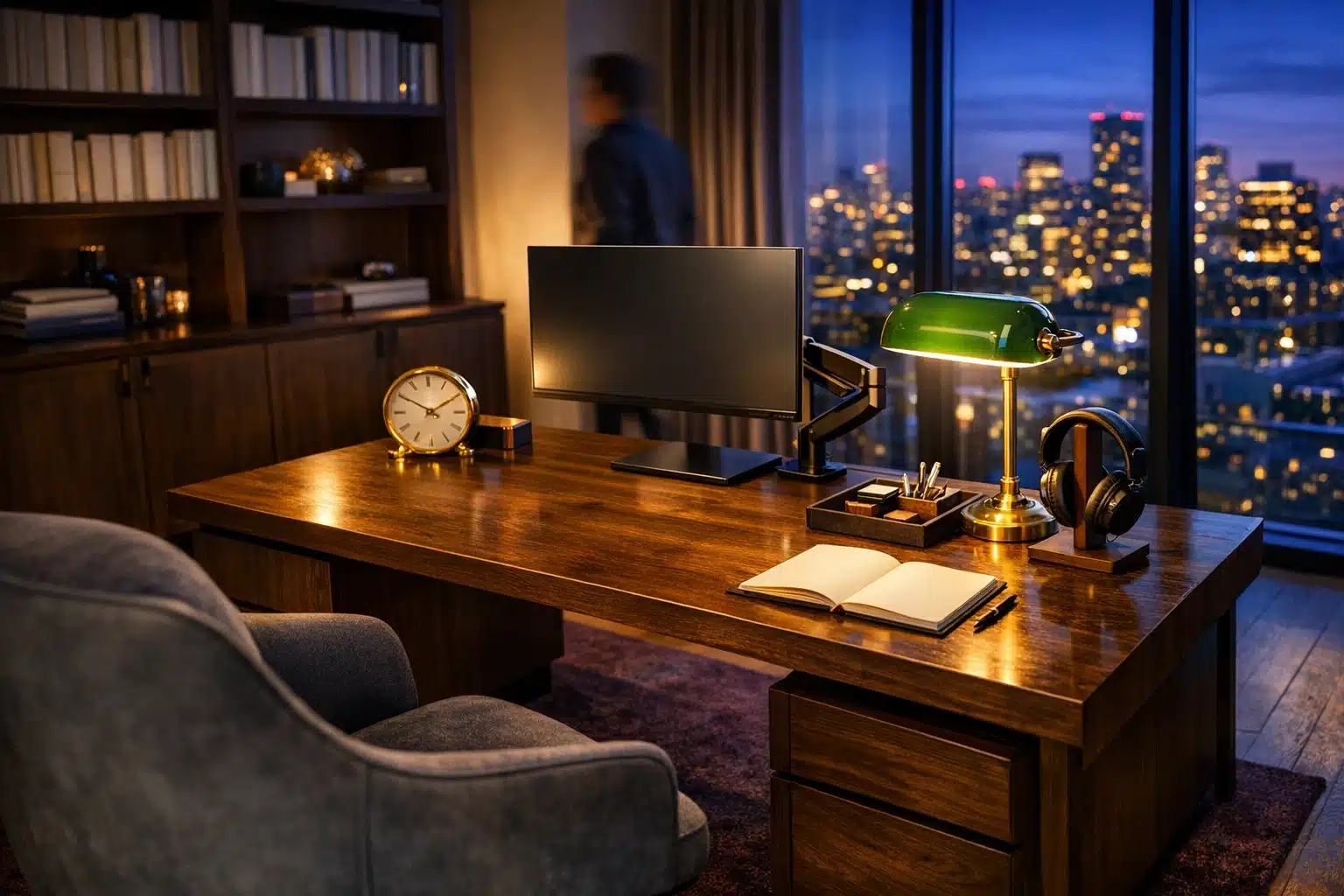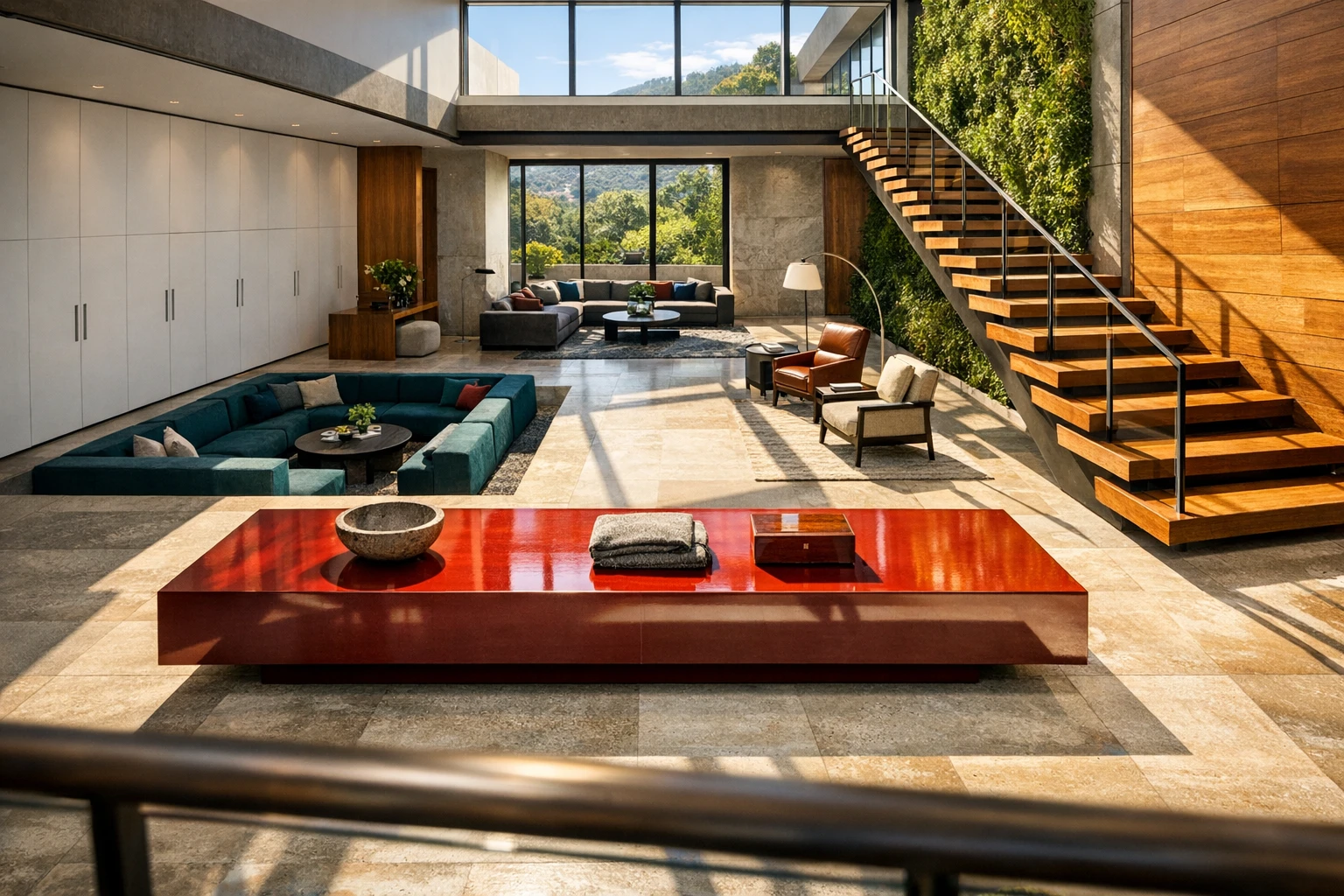
Minimalist Lifestyle Tips, Home Ideas, and Organization Strategies
Minimalism is less about owning almost nothing and more about making space for what serves your life well. In homes crowded by impulse purchases, duplicate tools, and overflowing digital files, a simpler system can lower friction and make everyday routines easier. This article explores practical lifestyle tips, room-by-room home ideas, and organization methods that favor clarity over perfection. Think of it as a calm reset, not a strict set of rules.
Outline
- How a minimalist mindset changes daily decisions
- Practical ways to declutter without burnout
- Room-by-room ideas for a simpler, more usable home
- Organization systems that stay functional over time
- Habits that help minimalism last in busy, real-world households
Minimalism Starts With Decisions, Not Decor
If the word minimalism makes you picture a silent room with one chair and no personality, it helps to reset the definition. A minimalist lifestyle is not a competition to own the fewest things. It is a decision-making framework that asks a simple question again and again: does this item, habit, or commitment support the life you are actually living? That shift matters because clutter is not only physical. It also lives in crowded schedules, fragmented attention, impulse spending, and routines that ask too much while giving back very little.
Researchers in attention and environmental psychology have repeatedly found that visible clutter can compete for mental bandwidth. Even without precise measurements in every household, the effect is familiar. A packed counter invites hesitation. A full closet hides what you wear. An overbooked calendar turns small tasks into mental static. Minimalist living reduces that static by removing unnecessary decisions. Fewer duplicate objects mean less time searching. Fewer low-value commitments free time for sleep, relationships, exercise, hobbies, or focused work.
There is also an important comparison between extreme minimalism and practical minimalism. Extreme minimalism aims for dramatic reduction and can be inspiring, but it is not realistic for everyone. A parent with children, a home cook, an artist, or a remote worker will naturally need more tools and supplies than a person living alone with few material hobbies. Practical minimalism is more flexible. It allows abundance in what matters and restraint in what does not. A runner may keep several pairs of shoes. A reader may own full shelves. The point is intentional ownership, not sterile emptiness.
Useful lifestyle tips often begin with a short audit of your daily friction points. Ask yourself where your home or routine keeps slowing you down. Typical answers include laundry, meal prep, bills, getting out the door, and end-of-day cleanup. Those are strong starting points because improvement there creates visible momentum.
- Create a 24-hour pause before buying nonessential items.
- Keep one clear surface in every main room to reduce visual overload.
- Choose a small set of “default favorites,” such as everyday dishes, go-to outfits, or trusted tools.
- Remove tasks from your week that exist mostly from habit, not usefulness.
Minimalism works best when it feels like a support beam rather than a personality trait. You do not need matching storage jars or a beige color palette to live more simply. What you need is a clearer relationship with your possessions, your time, and your attention. Once that mindset takes hold, the rest of the process becomes less like punishment and more like editing a good story so the strongest lines remain.
How to Declutter Without Turning Your Weekend Into a Punishment
Decluttering is where many people stall because they approach it like a dramatic event instead of a repeatable process. A marathon cleanup can produce a striking before-and-after photo, yet it often ends in fatigue, second-guessing, and bags that sit by the door for two weeks. A more useful approach compares methods and matches them to the kind of clutter you have. Not every room needs the same strategy, and not every person makes decisions at the same speed.
The room-by-room method is ideal when you need visible progress fast. Finishing a bathroom, entry table, or kitchen drawer gives a clear win and builds confidence. Category-based decluttering works better when duplicates are the problem. Gathering every charging cable, water bottle, black T-shirt, or skincare product into one place reveals the real volume instantly. That comparison is powerful. A single drawer can hide excess; a pile on the floor tells the truth without soft lighting or excuses.
Another useful contrast is between quick sorting and reflective sorting. Quick sorting asks basic questions: use it, donate it, recycle it, trash it. Reflective sorting takes longer and suits sentimental items, hobby gear, or inherited belongings. Rushing those categories often leads to regret or avoidance. For emotionally loaded possessions, set a time limit, keep only the items with a clear story or purpose, and photograph pieces that matter more as memory than as object.
Several practical systems make the work easier:
- The four-container method: keep, donate, relocate, discard.
- The timer method: work for 20 to 30 minutes to prevent decision fatigue.
- The “one shelf at a time” method: stop before the room looks worse than when you began.
- The trial box method: place uncertain items in a box dated 30 or 60 days ahead.
Some broader social trends explain why this process feels necessary. In many countries, homes have grown larger over recent decades, yet the demand for off-site storage has also expanded. That contrast suggests a familiar truth: more space does not automatically create order. Clutter tends to spread like ivy if limits are unclear. A bigger garage can simply become a bigger holding zone.
Good decluttering also depends on an exit plan. Donation bags should leave the house quickly. Returns should be processed the same week. Broken items should either be repaired by a specific date or released. The goal is not a theatrical purge. It is to reduce the amount of inventory your life must carry. When done well, decluttering does not make a home feel empty. It makes each useful object easier to find, easier to maintain, and far more pleasant to live with.
Minimalist Home Ideas That Feel Warm Rather Than Empty
A minimalist home should feel edited, not abandoned. The most successful spaces are not those with the fewest objects, but those where each object has room to breathe and a reason to be there. That difference matters because many people reject simpler design after seeing images that look beautiful in photographs but impractical in daily life. Real homes need softness, storage, comfort, and signs that human beings actually live there.
Start with layout before decoration. A room works better when pathways are open, seating is usable, and surfaces are not forced into permanent storage. In a living room, this often means fewer small pieces and one or two stronger anchors. A well-sized sofa, a substantial rug, and a side table that genuinely holds a lamp or drink can do more than six accent pieces fighting for relevance. Compare that with a crowded arrangement of baskets, stools, fragile decor, and stacked books on every plane. One setup invites rest; the other asks for dusting.
The kitchen benefits enormously from minimalist thinking because efficiency matters there every day. Clear counters improve both visual calm and food preparation. Keep appliances out only if they are used often. A toaster used daily earns its place; a novelty machine used twice a year does not. Inside cabinets, simple matching containers can help, but uniformity is less important than visibility and access. Deep storage with no categories becomes a cave where spices disappear and duplicate purchases breed quietly.
Bedrooms should support recovery. That usually means softer lighting, fewer visible electronics, and less furniture than people assume they need. One nightstand may be enough in a smaller room. Under-bed storage can be useful, but only when it holds carefully chosen items rather than vague overflow. The aim is not a showroom. It is a room that tells your nervous system the day is winding down.
- Use closed storage in areas that collect visual noise, such as entryways and media zones.
- Choose multiuse furniture, like benches with storage or nesting tables.
- Limit color shifts so the eye can rest, then add warmth through wood, fabric, plants, or art.
- Leave some walls and surfaces intentionally quiet instead of feeling obliged to fill them.
Bathrooms and entryways deserve special attention because they shape the beginning and end of the day. A simple tray for keys, a narrow shoe solution, hooks that are actually used, and a small landing spot for bags can reduce daily chaos more than an expensive redesign. In the bathroom, decanting is optional; containment is not. Everyday products should be easy to reach, extras should be stored elsewhere, and expired items should not be renting shelf space for free.
Warm minimalism is like good conversation: clear, unforced, and memorable because nothing important gets crowded out. When your home supports movement and routine instead of resisting both, its beauty becomes more than visual. It becomes practical, which is a much harder thing to fake.
Minimalist Organization Systems That Actually Stay Organized
Organization fails when it depends on constant willpower. The neat basket wall and color-coded pantry may look impressive, yet if the system asks too many extra steps, people stop using it. A minimalist organization strategy should be simple enough to maintain on a tired Tuesday. That means designing around behavior, not around fantasy. The best systems reduce decisions, shorten cleanup time, and make the correct action the easiest one.
A useful starting principle is frequency-based placement. Items used daily should live where they are used and where they can be reached without effort. Weekly items can go slightly farther away. Rarely used items belong in higher, lower, or less accessible storage. This sounds obvious, but many homes work in reverse. Prime shelf space is taken by specialty platters, while the coffee mugs are awkwardly stacked behind something breakable. Reordering by frequency often improves a room without buying a single organizer.
The next principle is containment with limits. A drawer, bin, basket, or shelf should define how much of a category you keep. Containers are not there to hide excess forever; they are boundaries that reveal capacity. If the charging-cable box does not close, the lesson is not to buy a bigger box. The lesson is that the category needs editing. Compare this with unrestricted storage, where categories spill sideways until the entire closet becomes one confusing sentence with no punctuation.
Open storage and closed storage each have strengths. Open storage works best for attractive, frequently used items because visibility supports habit. Think of cookbooks you consult often, everyday bowls, or a child’s school supplies in active rotation. Closed storage is better for mixed items, backup stock, paperwork, and anything that creates visual clutter. The mistake is using open shelving for categories that are not naturally tidy. That turns a storage solution into a display of unresolved decisions.
Digital organization matters too, because modern clutter is not only physical. A minimalist system for files and messages can save real time. Use broad folders rather than dozens of tiny ones. Archive what must be kept, delete what has no future value, and unsubscribe from emails that function as daily confetti.
- Give every category a home, even if the home is small.
- Use labels when multiple people share the space.
- Finish the loop by returning items immediately after use.
- Schedule a short weekly reset for high-traffic zones.
Paper deserves its own rule set. Keep a small action tray for bills, forms, and documents that require attention. Store completed records together in one clearly marked place. Do not let kitchen counters become an accidental archive. A well-run organization system should feel almost invisible. When it works, you notice less searching, fewer duplicates, and a home that stops interrupting you. That is the quiet power of minimalist order: it does not ask for applause, only consistency.
Keeping a Minimalist Life Sustainable in Real Homes
The hardest part of a simpler life is not the first decluttering session. It is what happens three months later, when work gets busy, shopping apps get tempting, a birthday brings new items into the house, and routines lose their polish. Sustainability matters because a minimalist home is not a finished project. It is a set of maintenance habits and purchase decisions that need to survive ordinary life, not ideal conditions.
One helpful comparison is between strict rules and flexible boundaries. Strict rules can create momentum at the start: a no-buy month, a one-in-one-out rule, or a daily decluttering challenge. They are effective because they reduce ambiguity. Still, they may also create backlash if they feel moralistic or unrealistic. Flexible boundaries are often easier to sustain. Examples include waiting 48 hours before nonessential purchases, keeping a wish list instead of buying immediately, or setting category limits such as one shelf for linens or one bin for holiday decor. These approaches shape behavior without turning your home into a courtroom.
Family life adds another layer. Shared spaces need shared standards, and those standards should be easy to understand. A parent may value tidy surfaces, while a child values access and independence. The solution is not perfection. It is design. Low hooks, reachable bins, clear toy zones, and a smaller rotation of active items often work better than repeated reminders. Adults benefit from the same logic. Laundry goes where the hamper is closest. Mail lands where a tray exists. Shoes gather where there is no obvious home.
Sentimental possessions need gentleness rather than denial. Not everything meaningful must be displayed, yet not everything meaningful should be discarded in the name of progress. Create a memory box with a fixed limit. Keep the letter, not the entire stack of cards. Keep one piece from a collection that no longer fits your life. A small archive can preserve emotion without asking every shelf to become a museum.
- Do a ten-minute evening reset in the busiest area of the home.
- Review incoming items after holidays, moves, and seasonal changes.
- Keep a donation bag in a closet so editing becomes routine, not dramatic.
- Check your calendar as well as your cupboards; overscheduling creates its own clutter.
Minimalism also needs room for joy. A home stripped of delight becomes another form of stress. Keep the art that lifts a room, the pan that makes you cook more often, the blanket everyone fights over on cold evenings. The aim is not denial. The aim is alignment. When belongings, routines, and spaces support the life in front of you, maintenance becomes far less exhausting. The house still gets messy sometimes, because houses are lived in. The difference is that recovery becomes faster, lighter, and much easier to trust.
Conclusion for Busy People Who Want a Home That Works Better
If you are drawn to minimalism because your days feel crowded, your surfaces feel busy, or your storage feels permanently full, the most useful place to start is small and specific. Clear one problem area, question one buying habit, and build one system that makes daily life easier. A simpler home does not require a dramatic aesthetic shift or a perfect set of matching containers. It requires better decisions, clearer limits, and spaces arranged around real routines instead of wishful ones.
For renters, families, professionals working from home, students, and anyone tired of managing too much, minimalist living offers a practical advantage: less friction. You spend less time searching, cleaning, replacing duplicates, and feeling mentally crowded by your own surroundings. The result is not emptiness. It is usefulness with breathing room. Start with what interrupts you most, make steady changes, and let function lead. Over time, the home begins to feel lighter not because it is bare, but because it finally fits the life happening inside it.