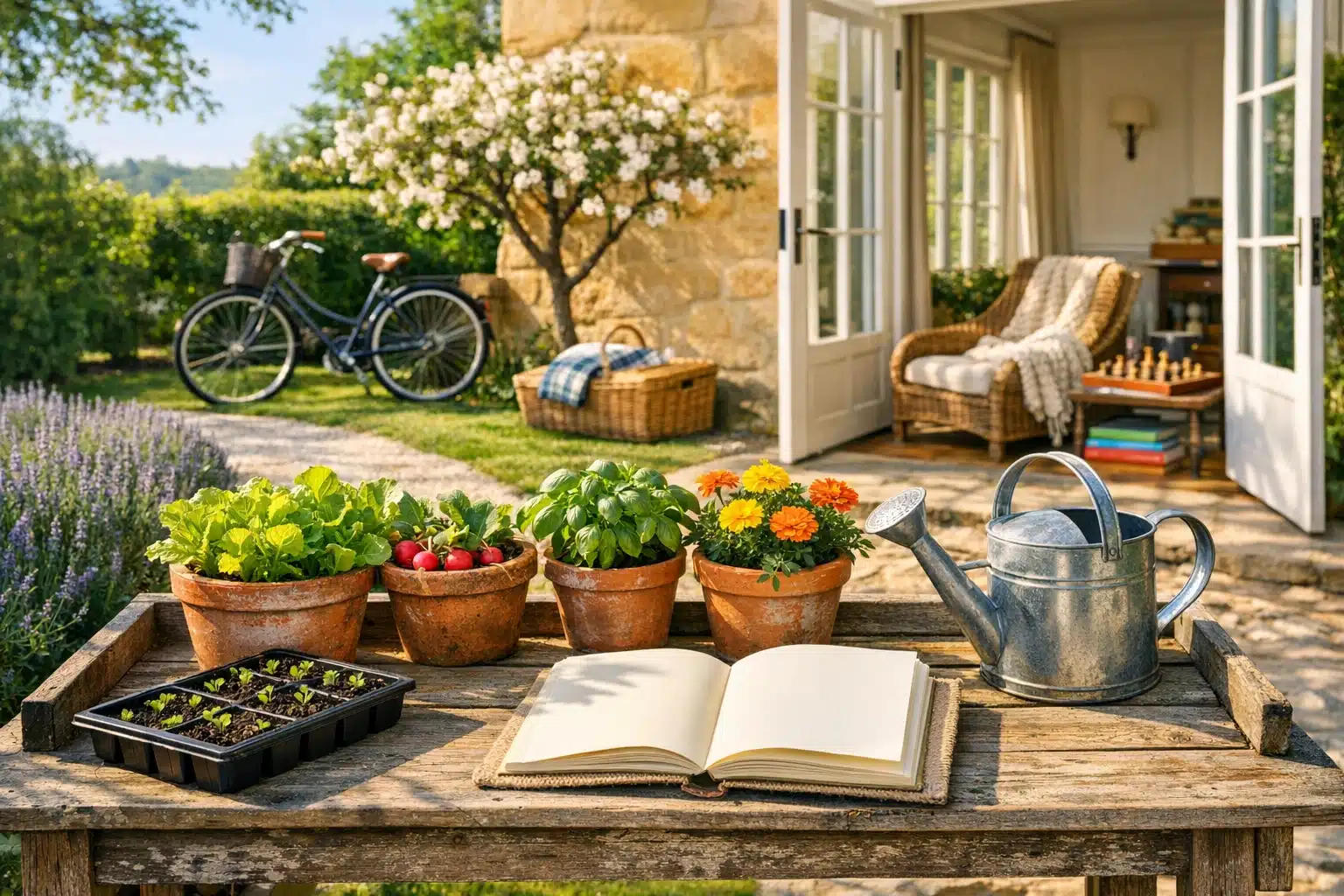
Seasonal Ideas for Summer Activities, Winter Hobbies, and Spring Gardening
Introduction and Article Outline: Why Seasonal Planning Makes Leisure More Meaningful
Seasonal planning can turn free time into something richer than a filled calendar: it can become a way to match your energy, mood, and surroundings with activities that genuinely fit the moment. Summer invites movement and light, winter rewards patience and inward focus, and spring nudges people toward renewal. When you choose ideas that suit the season, routines feel less forced and far more enjoyable.
This matters because leisure is not just about passing time. Public health guidance consistently links regular physical activity, social connection, and restorative downtime with better overall well-being. The challenge is that many people approach every month the same way, even when weather, daylight, and personal motivation shift dramatically. A long bike ride that feels easy in July may feel unrealistic in January, while a cozy indoor hobby that feels appealing in winter may seem too still when blossoms appear and daylight stretches into the evening. Seasonal thinking helps people work with natural rhythms instead of pushing against them.
This article begins with an outline and then expands each part in detail:
• Summer activity ideas that balance fun, movement, heat awareness, and social time
• Winter hobby ideas that encourage creativity, comfort, learning, and steady routines
• Spring gardening ideas for small spaces, family homes, and beginner-friendly growing
• Practical comparisons covering cost, energy, equipment, and flexibility
• A closing section designed to help readers build a realistic year-round plan
Think of the year as a house with three very different rooms. Summer opens the windows wide and asks you to step outside. Winter dims the lights and invites slower concentration. Spring smells like damp soil, fresh starts, and a list of possibilities waiting by the door. By organizing activities around those changing conditions, readers can get more value from their free time, avoid boredom, and build habits that feel sustainable rather than temporary. That is the real purpose of this guide: not to create a perfect schedule, but to help ordinary people make each season feel fuller, lighter, and more lived in.
Summer Activity Ideas: Active, Social, and Flexible Ways to Use Long Days
Summer often feels generous. There is more daylight, school breaks reshape family routines, and many people feel an urge to leave the house more often. That makes summer ideal for activities built around movement, exploration, and connection. Walking clubs, swimming, cycling, paddle sports, picnics, evening sports leagues, open-air concerts, and short local trips all fit naturally into the season. The main advantage of summer activities is flexibility: they can be energetic or relaxed, social or solitary, expensive or almost free.
For people who want fitness without formal training, walking and cycling remain two of the most practical options. They require less coordination than team sports, and they can be scaled up or down depending on age and stamina. A morning walk is often a smarter choice than a midday run during hot spells, because heat and humidity can increase fatigue and discomfort. Swimming offers a different benefit. Compared with many land-based activities, it is gentler on joints while still providing full-body exercise. That makes it useful for older adults, beginners, and anyone looking for a lower-impact way to stay active.
Summer is also a strong season for social hobbies:
• Community volleyball or casual football in a park
• Outdoor movie nights with neighbors or friends
• Nature photography during early morning light
• Local volunteering at festivals, trail cleanups, or food gardens
• Family scavenger hunts and backyard games
These options differ in energy and planning. Team sports can build camaraderie quickly, but they usually need schedules, transportation, and a group. Solo activities such as sketching outdoors, birdwatching, or urban walking tours are easier to start and easier to maintain. Families with children often benefit from a mix: one active outing, one calm creative activity, and one low-cost community event each week can prevent the summer from feeling either chaotic or dull.
Good summer planning also means respecting limits. Hydration, sunscreen, shade breaks, and weather awareness are not small details; they shape whether an activity remains enjoyable. In practical terms, the best summer ideas are rarely the most dramatic ones. They are the ones that fit your schedule, keep you comfortable, and make you want to go again the next day. Summer, after all, is less about squeezing every drop from the season than about learning how to move through it with ease.
Winter Hobby Ideas: Creative, Cozy, and Skill-Building Options for Colder Months
Winter changes the pace of everyday life. Shorter days, colder air, and more time indoors can make people feel restless if they rely only on outdoor routines for enjoyment. That is why winter hobbies work best when they provide structure, comfort, and a sense of progress. The strongest winter hobbies usually fall into three groups: creative hobbies such as drawing, knitting, and music; practical hobbies such as baking, home organization, or language study; and restorative hobbies such as reading, journaling, or puzzles. Each serves a slightly different purpose, and the best choice depends on whether you need stimulation, calm, or both.
Creative hobbies are especially useful in winter because they replace passive screen time with something more involving. Knitting, crochet, painting, and woodworking reward patience and concentration. They also create a visible result, which can be motivating during a season when days sometimes blur together. Learning an instrument or trying digital photography editing can provide the same sense of steady development. Compared with binge-watching, these hobbies ask more from you, but they often give back more satisfaction because you can track improvement over time.
Practical winter hobbies have a different advantage: they make home life better while still feeling enjoyable. Cooking and baking are classic examples. They combine creativity with usefulness, and they suit the sensory mood of winter, when warm food and familiar smells become part of the season’s comfort. Language learning, chess, coding practice, and calligraphy offer mental exercise without needing much space. These hobbies can be inexpensive after the initial setup, which makes them appealing for readers watching their budget.
Here is a helpful way to compare winter hobby types:
• Social hobbies: book clubs, choir groups, cooking classes, tabletop games
• Solo hobbies: reading, needlework, model building, creative writing
• Active indoor hobbies: yoga, dance workouts, climbing gyms
• Quiet restorative hobbies: puzzles, journaling, watercolor, meditation
Winter is also a good time to think in terms of rhythm rather than intensity. A hobby does not need to consume entire weekends to be valuable. Twenty minutes of sketching after dinner, one loaf of bread on Saturday, or one chapter of a novel each night can steadily improve mood and concentration. Like a lamp in a dark window, a good winter hobby does not need to be loud to make the whole season feel warmer. It simply needs to invite you back, again and again, with enough challenge to stay interesting and enough comfort to feel like shelter.
Spring Gardening Ideas: From First Shoots to Practical Growing Plans
Spring gardening appeals to beginners and experienced growers for the same reason: it offers visible change. After winter, the ground softens, temperatures moderate, and the landscape begins to move again. For many households, gardening is not only a hobby but also a way to improve outdoor spaces, grow food, support pollinators, and spend more time outside with purpose. Spring is the season when planning matters most, because early choices shape success later in the year.
A useful starting point is deciding what kind of garden fits your space and time. Container gardening works well for balconies, patios, and small yards. Raised beds offer easier soil control and are often more comfortable for people who do not want to bend as much. In-ground gardens can be productive and cost-effective if the soil is already healthy. Beginners often do best with forgiving crops and plants. Lettuce, radishes, spinach, herbs, marigolds, nasturtiums, and bush beans are common spring-friendly choices because they are relatively straightforward and give visible results quickly. Fast results matter, especially for new gardeners, because they build confidence.
Spring gardening also involves timing. Local frost dates influence when seeds and young plants can safely go outside. Cool-season crops generally handle lower temperatures better than heat-loving plants such as tomatoes or peppers. Soil preparation is another major factor. Compost can improve structure and fertility, mulch can help retain moisture, and removing weeds early prevents competition later. Native plants deserve special attention too. They often support local insects and birds more effectively than purely ornamental imports, and in many regions they are better adapted to local rainfall patterns.
Practical spring gardening ideas include:
• Starting herbs in pots near a sunny kitchen window
• Planting pollinator-friendly flowers around vegetables
• Creating a small salad bed with lettuce, spinach, and spring onions
• Installing a rain barrel where regulations allow
• Keeping a simple garden journal for planting dates and results
There is also a useful comparison between edible and ornamental gardening. Edible gardens provide direct practical value and can teach children where food comes from. Ornamental gardens often deliver stronger visual impact and may require less frequent harvesting or seasonal attention. Many readers benefit from a mixed approach: a few vegetables, a few herbs, and flowers that attract bees and butterflies. Spring gardening succeeds not through perfection but through observation. The gardener who notices sunlight, drainage, and plant health is usually more successful than the one who buys the most supplies. In spring, even a single seed tray on a windowsill can feel like a quiet promise that the season has truly arrived.
Choosing What Fits: Comparing Effort, Budget, Space, and Lifestyle Across the Seasons
Having plenty of ideas is useful, but choosing the right ones is what turns inspiration into a routine. The most practical seasonal plan starts with four questions: How much time do you actually have? What can you spend comfortably? How much space is available? What kind of energy do you usually have during each season? These questions matter because the “best” activity is rarely universal. A parent with young children, a student in a small apartment, a retiree with a garden, and a shift worker with limited weekends may all need very different seasonal options.
Summer activities often score high for spontaneity but can be limited by weather, travel costs, and heat. A beach day may sound ideal, yet a shaded park walk or evening badminton game is often easier to repeat weekly. Winter hobbies are usually easier to sustain consistently because they happen indoors, but they can become isolating if they lack a social element. Spring gardening can be deeply rewarding, though it asks for patience and some ongoing maintenance. In simple terms, summer favors mobility, winter favors concentration, and spring favors nurturing. None is inherently better; they just ask for different forms of attention.
Budget is another important comparison. Many strong options are low-cost:
• Summer: walking, community events, public parks, local cycling routes
• Winter: library reading, journaling, home workouts, basic crafts
• Spring: herb pots, seed packets, homemade compost, recycled containers
Higher-cost versions also exist, such as skiing, advanced camera gear, greenhouse setups, or specialist classes, but cost does not always equal enjoyment. Consistency matters more than scale. A simple hobby you return to every week will usually provide more value than an ambitious idea you try once and abandon.
For readers trying to build a realistic year-round routine, a seasonal rotation works well. Choose one active pursuit, one creative or restorative hobby, and one optional community-based activity for each season. That structure keeps life balanced without becoming rigid. The goal is not to optimize every hour; it is to create a rhythm that feels livable. If summer gives you movement, winter gives you depth, and spring gives you renewal, then your year begins to feel less like a blur of obligations and more like a series of distinct chapters. For busy readers, curious beginners, families, and anyone looking to refresh their routine, that is the most useful takeaway: start small, choose what suits your real life, and let each season offer its own kind of enjoyment.