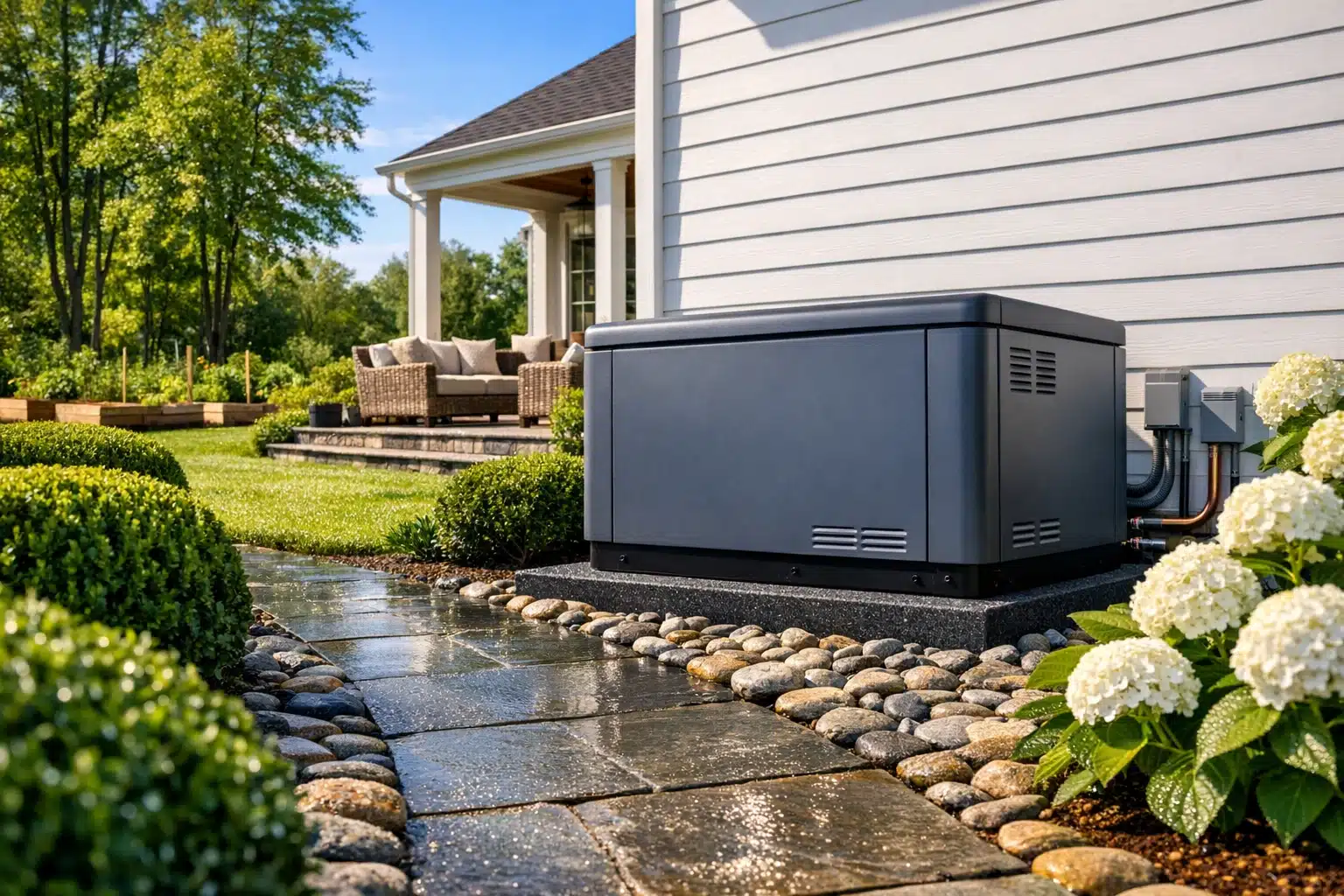
 Artificially generated image
 Generator Installation Guide
Power outages rarely arrive with good timing, and that is exactly why generator installation deserves careful planning instead of a rushed purchase. A properly installed system can protect refrigeration, heating, medical devices, sump pumps, and everyday lighting when the grid goes dark. It also shapes safety, code compliance, fuel use, noise levels, and long-term reliability. This guide turns backup power from a vague idea into a practical upgrade with clear steps and useful comparisons.
Article Outline
This article covers five key areas: understanding generator types and sizing, planning the installation site and permit process, connecting the electrical and fuel systems correctly, following the main installation steps while avoiding common mistakes, and evaluating total cost, maintenance, and long-term value for homeowners and small property owners.
1. Choosing the Right Generator Type and Size
The first decision in generator installation is not where the unit will sit. It is deciding what the generator is expected to do. Some households only want the essentials during a blackout, while others want the home to run almost normally, right down to central air conditioning, internet equipment, and kitchen appliances. That difference changes the generator type, the electrical design, and the budget in a big way.
In broad terms, most buyers compare portable generators and permanently installed standby generators. Portable models usually cost less up front and can be useful for temporary, selective power needs. They are often chosen for running a refrigerator, a few lights, device chargers, or a sump pump through extension cords or a manual transfer setup. Standby generators are fixed systems connected to the home’s electrical service and fuel supply. They start automatically when utility power fails, which makes them especially useful for homes with medical equipment, basements prone to flooding, or owners who travel often and cannot be there to start a unit manually.
Sizing matters just as much as type. Generator output is measured in watts or kilowatts, and the real challenge is accounting for both running wattage and starting wattage. Motors need a short surge of extra power when they start. A refrigerator may run on a few hundred watts but need much more for startup. A sump pump, well pump, or air conditioner can create an even larger temporary demand. That is why a generator that looks adequate on paper can still struggle in real life if the load calculation is sloppy.
A practical load review often includes:
• essential appliances such as refrigerator, freezer, furnace blower, and lighting
• water-related equipment such as sump pumps or well pumps
• communication needs such as modem, router, and charging stations
• comfort loads such as air conditioning or electric cooking
• future expansion, especially if home office equipment or electric vehicle charging may matter later
As a rough guide, smaller standby systems in the 7 to 10 kW range are often used for selected circuits, while 14 to 24 kW systems are common for broader whole-home coverage. Some larger homes need even more. Fuel choice also affects the decision. Natural gas is convenient where available, propane is popular in rural areas, and diesel is more common in commercial or heavy-duty applications. Picking the right unit is a little like buying boots for a long trip: the wrong size may still look good in the shop, but you will regret it when the weather turns.
2. Site Planning, Permits, and Code Considerations
Once the generator has been selected, the next major step is planning where it will go and how the installation will comply with local rules. This stage can feel less exciting than comparing engine sizes or fancy monitoring apps, but it often determines whether the project moves smoothly or stalls in frustration. A generator cannot simply be placed anywhere with open space. Its location affects safety, ventilation, service access, noise, drainage, and legal approval.
Most local authorities require permits for permanent generator installation because the work usually involves electrical and sometimes gas piping changes. In many areas, the final setup must be inspected before it is considered complete. Rules vary by jurisdiction, so the exact setback distances, pad requirements, and connection standards should always be confirmed with the local building department and the manufacturer’s installation instructions. Many codes require generators to be placed several feet away from windows, doors, vents, and other openings to prevent exhaust from entering occupied spaces. Carbon monoxide risk is one reason proper location is never optional.
The base under the generator matters more than many people expect. Standby units are commonly installed on concrete or engineered composite pads. The surface should be level, stable, and above areas where standing water collects. In colder climates, installers may also consider snow accumulation, drifting, and freeze-thaw conditions. In flood-prone areas, elevation planning becomes even more important. A well-placed generator sits where airflow is good and maintenance access is easy, not tucked into a cramped corner that becomes a technician’s least favorite destination.
Other planning factors commonly include:
• distance from the gas meter, propane tank, or diesel storage
• proximity to the main electrical panel and transfer switch
• expected noise impact on neighbors or outdoor living areas
• room for service clearances and future repairs
• HOA guidelines, zoning restrictions, or property line rules
Noise deserves special attention. Many residential standby generators operate in a range that can be compared to a central air conditioner when measured from a moderate distance, but perceived noise depends heavily on placement, fencing, and nearby surfaces that reflect sound. A unit beside a bedroom window or close to a neighbor’s patio can become an avoidable source of complaints.
Permit timelines also affect scheduling. Depending on the area, weather, utility coordination, and contractor workload, a project can move from estimate to approval in days or take several weeks. Good site planning is the quiet hero of the installation story. When done well, it is almost invisible. When ignored, it becomes the reason everything else takes longer and costs more.
3. Electrical Integration, Transfer Switches, and Fuel Supply
The heart of generator installation is not the engine alone but the way the generator is connected to the building. This is where safety, convenience, and legal compliance come together. A backup power system must feed electricity into the home in a controlled, isolated way. That is why transfer equipment is essential. Without it, electricity can backfeed into utility lines, creating a dangerous situation for utility workers, emergency responders, and occupants.
For most permanent residential systems, installers use either a manual transfer switch or an automatic transfer switch. A manual setup is usually less expensive and works well when the owner is comfortable starting or monitoring the system directly. An automatic transfer switch is the premium option. It detects the outage, signals the generator to start, shifts the electrical load, and later returns the house to utility power once service is restored. For people who may be away from home, or for households that cannot tolerate delays, automatic transfer is often the better fit.
Some systems feed only a selected circuits panel, while others are connected in a way that supports most or all of the home’s service. The difference matters. Powering a few critical circuits reduces generator size and fuel use. Whole-house coverage increases comfort and convenience but raises cost and often requires larger fuel and electrical infrastructure. The best design depends on priorities, not just ambition.
Fuel supply is another make-or-break factor. Natural gas offers continuous delivery where municipal service is reliable, but line pressure and meter capacity must be checked. A generator that is installed without confirming gas supply can suffer from poor performance under load. Propane is common where gas lines are unavailable, and tank size should be chosen with realistic outage duration in mind. Some residential standby systems are paired with 250- to 500-gallon propane tanks, though actual needs depend on generator size and local conditions. Diesel can provide strong performance and durability, but storage rules, fuel maintenance, and cold-weather behavior deserve closer attention.
Important design questions include:
• Will the generator power only critical loads or the full service?
• Is the transfer switch correctly sized for the panel and intended load?
• Does the gas meter or regulator support the generator’s fuel demand?
• Will voltage drop or long pipe runs affect performance?
• Are surge protection and battery charging provisions included?
This is also the stage where extra features may be considered. Remote monitoring, exercise schedules, cold-weather kits, sound attenuation, and service-rated transfer switches can improve ownership experience. If the generator is the muscle of the system, the transfer switch and fuel supply are the nerves and lungs. Without them being designed properly, the strongest machine in the driveway is just a loud promise.
4. Installation Steps, Testing, and Common Mistakes to Avoid
A well-managed generator installation follows a sequence. It starts with evaluation, moves through permitting and site preparation, and ends with commissioning and testing. While the exact workflow varies by contractor and property type, the basic rhythm is usually similar. First comes the assessment of electrical load, preferred fuel, and placement. Next come permits, material orders, and utility coordination if the gas meter or electrical service needs changes. Then the physical installation begins: preparing the pad, setting the unit, running fuel lines, mounting transfer equipment, making electrical connections, and performing startup checks.
During installation, small details have big consequences. The generator should be level, securely mounted, and installed with the clearances specified by both code and manufacturer guidance. Electrical conduits and conductors need correct sizing, weather protection, and neat routing. Gas connections must be pressure-tested and checked for leaks. Batteries should be connected properly, and any required firmware setup or control panel programming must be completed before startup.
Commissioning is more than flipping a switch. A reputable installer will simulate or safely verify outage response, confirm transfer timing, check voltage and frequency output, inspect alarms, and review the exercise schedule. The owner should also be shown how to shut down the unit safely, identify warning indicators, and understand what loads the system is designed to support. A generator that starts beautifully on installation day but has not been properly explained to the homeowner is only half installed in a practical sense.
Common mistakes are surprisingly consistent:
• underestimating startup loads from pumps, compressors, and HVAC equipment
• assuming the existing gas meter is large enough without verification
• placing the generator where snow, water, or hot exhaust will create trouble
• skipping maintenance access clearances to save a little space
• choosing the cheapest electrical setup without thinking about outage convenience
• forgetting to register warranties or document the installation details
Another frequent problem is unrealistic timing. Homeowners sometimes expect a standby generator to be ordered, permitted, installed, and approved in a few days. In reality, the timeline can stretch from roughly two to eight weeks or more depending on contractor availability, equipment supply, inspection schedules, and utility coordination. That is not a reason to delay planning; it is a reason to start before storm season becomes tomorrow’s headline.
The best installations share one quality: they feel calm. There is no guessing, no improvised wiring, and no last-minute scramble when the inspector arrives. Backup power should reduce stress, not inherit it from a rushed project. Taking the process step by step is what turns a powerful machine into a dependable system.
5. Costs, Maintenance, and Final Advice for Homeowners
After the technical planning comes the question almost everyone asks sooner or later: what will this really cost, and will it be worth it? The answer depends on the type of generator, the complexity of the installation, the fuel source, and how much of the home needs to be powered. Portable generators may start in the low hundreds for basic models and rise well above that for higher-output inverter or dual-fuel units. Once transfer equipment, outdoor inlet connections, and safe setup accessories are added, the total project cost increases. Permanently installed standby generators are a bigger investment. In many markets, a full residential standby project can run from several thousand dollars into the low five figures or beyond, especially when larger units, propane storage, trenching, electrical upgrades, or utility coordination are involved.
Upfront cost, however, is only one part of ownership. Ongoing maintenance matters because a generator is a machine that often waits silently for months and is then expected to perform instantly. Most standby units benefit from periodic exercise cycles, battery inspection, oil and filter changes, air filter checks, and general service according to manufacturer intervals. Some homeowners handle basic monitoring themselves, while others prefer annual service agreements. Either approach is better than assuming the unit will remain perfect simply because it is expensive.
Regular ownership tasks often include:
• checking service reminders and exercise schedules
• keeping the area around the generator clear of debris, snow, and vegetation
• inspecting visible fuel or electrical issues between service visits
• scheduling maintenance after major run events or long outage periods
• confirming that alarms, remote monitoring, and battery charging remain active
Value also depends on the household’s real risk profile. For a home with frequent outages, a sump pump, a private well, refrigerated medication, or a home office that cannot afford downtime, generator installation may solve a practical problem rather than provide a luxury. For a household with rare outages and modest needs, a smaller setup may be more sensible than a whole-home standby system. The smartest purchase is not always the largest one. It is the one that matches inconvenience, risk, and budget honestly.
For homeowners and small property owners, the final takeaway is simple: treat generator installation as an infrastructure project, not an impulse buy. Get a realistic load calculation, confirm permit requirements, insist on proper transfer equipment, and ask detailed questions about fuel supply and maintenance before signing a contract. A well-installed generator will not make storms disappear, but it can make the next outage feel far less dramatic. When the lights blink and the neighborhood goes quiet, a thoughtful installation is the difference between scrambling in the dark and carrying on with confidence.