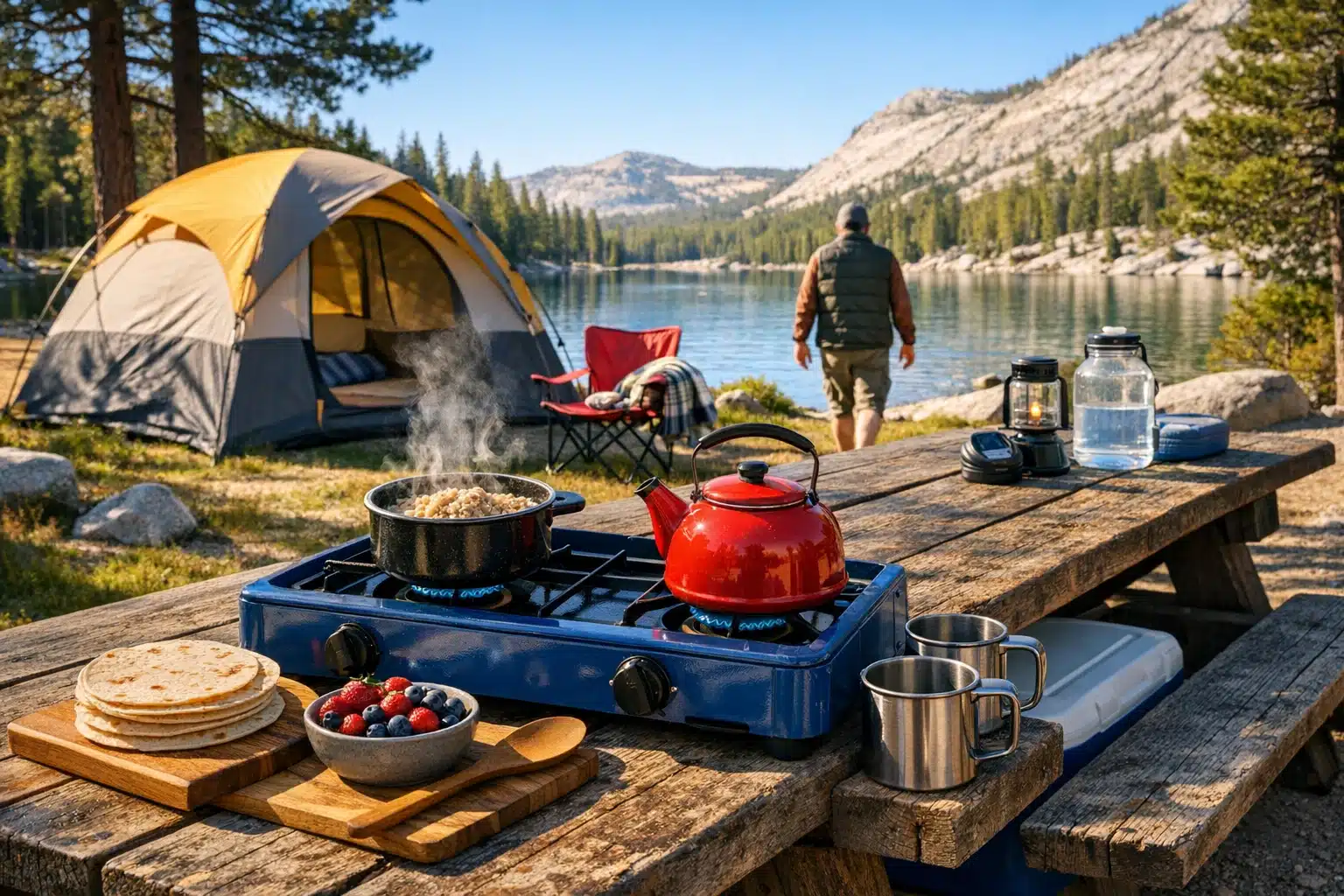
Camping for Beginners: Camp Cooking Ideas and Checklist
Camping looks simple from a distance: a tent, a fire, and a quiet patch of ground under the stars. In reality, a good first trip depends on planning that matches the weather, the campsite, and your comfort level. Learning a few basics about gear, food, and safety can turn uncertainty into confidence and prevent small mistakes from shaping the whole experience. This guide brings those essentials together so beginners can prepare well, cook easily, and enjoy the outdoors with less guesswork.
Outline and First Steps: How Beginners Can Start Camping the Smart Way
If you are new to camping, the most useful starting point is not buying more gear. It is choosing a style of trip that fits your experience, budget, and patience. Many first-time campers imagine a remote wilderness scene, but the better option is often a nearby campground with toilets, water access, and a parking spot close to the tent area. That is why car camping is usually the most beginner-friendly format. You can bring extra blankets, a larger cooler, and backup clothing without carrying everything on your back. By contrast, backpacking demands lighter gear, stronger route planning, and more attention to water treatment, weather shifts, and pack weight.
A simple outline helps keep the planning process organized:
- Choose the type of camping: car camping, walk-in camping, or backcountry camping
- Pick a campsite close to home for the first trip
- Check weather, campground rules, and available facilities
- Plan meals before packing gear
- Build a checklist and test key items at home
Each step matters because beginner problems usually begin long before the tent is unrolled. For example, a campground may allow camp stoves but restrict open fires during dry weather. Some sites have picnic tables and food storage lockers, while others offer little more than a patch of ground. Even a short overnight trip can feel complicated if you arrive after dark without knowing where water, restrooms, or trash bins are located.
Start with a one-night or two-night trip. This shorter timeline keeps the experience manageable and lets you learn what you actually use. It also reduces food waste and lowers the cost of experimenting. A family with children may want a campground near a lake, trail loop, or visitor center, while solo beginners often benefit from campgrounds with visible neighbors and clear signage. Safety and comfort are not glamorous topics, but they are the framework that makes the rest of camping enjoyable.
Think of your first camping trip as a practical rehearsal rather than a grand expedition. The goal is not to perform rugged independence. The goal is to sleep well enough, eat well enough, and leave with the feeling that you could do it again with more ease next time. Once you understand the rhythm of setup, cooking, cleanup, and rest, the outdoors stops feeling like a puzzle and starts feeling like a place you can settle into.
Essential Gear for Beginners: What You Need, What You Can Skip, and What Is Worth Comparing
Camping gear can be confusing because product labels often make everything sound necessary. For beginners, the real priority is building a reliable system: shelter, sleep, clothing, lighting, hydration, and basic tools. You do not need the lightest equipment or the most expensive brand. You need gear that works in the expected conditions and is simple to use when you are tired, cold, or setting up just before sunset.
The core shelter system starts with a tent, ground protection if recommended by the manufacturer, and stakes that match the soil conditions. Tent sizing deserves special attention. A two-person tent often fits two adults only in the most technical sense. If you want extra room for bags or easier movement, sizing up is usually the better choice. A three-person tent for two campers often feels far more comfortable. If rain is possible, check that the rainfly provides solid coverage and that you know how to pitch it correctly before leaving home.
Your sleep system matters just as much as the tent. Many beginners focus on the sleeping bag and forget the pad, but the pad provides insulation from the cold ground as well as cushioning. Overnight temperatures can feel significantly cooler than daytime forecasts suggest, especially in valleys or near water. A sleeping bag rated near the expected low temperature is helpful, but comfort ratings often matter more than survival ratings. For many people, a warm hat, dry socks, and an insulated sleeping pad improve sleep more than a thicker blanket thrown in at the last minute.
Useful clothing choices are based on layers rather than bulk. A practical packing formula looks like this:
- Moisture-wicking base layer
- Warm mid-layer such as fleece or light insulation
- Water-resistant or waterproof outer layer
- Extra socks and one complete dry change of clothes
A few additional items make a major difference: a headlamp instead of relying only on a phone flashlight, a water container or bottles, a small first-aid kit, and a way to store food securely. If the campground provides potable water, you can pack more lightly. If not, plan for at least several liters per person per day, with more in hot or dry conditions. A basic camp chair can also be surprisingly valuable. Sitting on a damp log may sound romantic until dinner takes an hour to cook.
What can you skip at first? Specialty gadgets, extra cookware, decorative camp accessories, and “just in case” items that add clutter without solving a realistic problem. Test your gear at home, even if that means pitching the tent in the yard or living room. A zipper snag, missing pole, or dead lantern battery is much easier to handle there than in the fading light, with the evening air turning cooler by the minute.
Camp Cooking Ideas: Simple Meals, Smart Food Prep, and the Best Methods for a First Trip
Camp cooking is one of the most memorable parts of a trip, but it becomes frustrating quickly when the menu is too ambitious. Beginners do best with meals that require minimal chopping, few tools, and flexible timing. The practical question is not whether a recipe looks impressive. It is whether you can cook it outdoors with limited counter space, uneven wind, and maybe one burner. A camp meal should work even when people are hungry, daylight is fading, and someone cannot find the spatula.
For most first trips, a camp stove is easier and more reliable than cooking entirely over a fire. A stove gives you better temperature control, faster boiling, and less dependence on firewood conditions. Campfires are enjoyable for atmosphere, roasting, and slower cooking, but they can be restricted during dry seasons and often take longer to manage well. If you want a useful beginner comparison, think of the stove as your kitchen and the fire as your bonus feature.
Strong beginner meal ideas include familiar foods with one-pot logic. Breakfast can be as simple as oatmeal with fruit and nuts, scrambled eggs with tortillas, or yogurt and granola if you have a cooler. Lunch often works best when it requires no cooking at all, especially after a morning hike. Wraps, sandwiches, pasta salad, hummus with vegetables, and cheese with crackers are dependable options. For dinner, choose dishes that scale easily and leave little mess behind.
- Breakfast ideas: oatmeal, breakfast burritos, pancakes from premixed batter, hard-boiled eggs
- Lunch ideas: wraps, sandwiches, bean salad, fruit, trail mix
- Dinner ideas: chili, foil packet vegetables and sausage, pasta with sauce, rice bowls, tacos
- Snacks: nuts, dried fruit, popcorn, apples, granola bars
Preparation at home saves time at camp. Chop onions and peppers in advance, pre-mix spices, marinate protein before leaving, and label storage containers clearly. If you are using a cooler, pack it with a food safety mindset. Perishable items should stay cold, ideally below 40 degrees Fahrenheit or 4 degrees Celsius. Block ice tends to last longer than small cubes, and keeping the cooler closed as much as possible protects both temperature and ice life. Dry goods should be sealed well to prevent moisture and curious wildlife from getting involved.
Cleanup deserves equal attention because poor cleanup attracts insects and animals. Bring a sponge, biodegradable soap if permitted, trash bags, and a basin or system for washing dishes according to campground rules. A smart cooking plan produces less waste and fewer dirty items. One pot, one pan, one cutting board, and one knife are enough for many beginner menus. When the meal is simple, the evening feels lighter. Instead of wrestling with dishes under a weak lantern, you get to sit back, watch the last line of orange fade behind the trees, and realize that outdoor cooking can be satisfying without becoming a production.
The Camping Checklist: A Practical Packing System That Prevents Forgotten Essentials
A camping checklist is not busywork. It is the easiest way to reduce stress, avoid duplicate packing, and make sure critical items do not stay at home on the kitchen counter. Experienced campers still use checklists because memory is unreliable when you are trying to coordinate food, clothing, gear, and travel timing. A good checklist is also customizable. A summer campground with showers requires a different setup than a cool-weather tent site with no water source nearby.
The best way to build a checklist is by category. This helps you pack intentionally instead of bouncing from room to room grabbing random items. It also makes unpacking simpler when you return. Below is a strong beginner framework that covers the basics without turning the trip into a moving van.
- Shelter: tent, poles, stakes, rainfly, footprint if needed, mallet
- Sleep: sleeping bag, sleeping pad or air mattress, pillow, extra blanket
- Clothing: layered outfits, sleepwear, rain jacket, hat, extra socks, camp shoes
- Cooking: stove, fuel, lighter or matches, pot, pan, utensils, plates, mugs, cooler
- Food: meals by day, snacks, drinking water, coffee or tea, seasonings, oil
- Cleanup: trash bags, paper towels, dish soap, sponge, wash basin, food containers
- Safety: first-aid kit, medications, map, phone charger or power bank, flashlight or headlamp
- Comfort: camp chairs, tablecloth, book, towel, sunscreen, insect repellent
- Site items: reservation details, identification, cash, firewood rules, permits if required
Beginners often forget the small items that support everything else. A stove without fuel, a lantern without batteries, or a sleeping pad without the inflation pump can undermine an otherwise well-packed trip. That is why it helps to review the checklist in stages: one review while planning, another while physically packing, and a final review before departure. Some campers print the list and check boxes with a pen. Others use a phone note divided into sections. Either method works if it is updated after each trip.
It is also useful to separate “must-have” items from “nice-to-have” items. Shelter, warmth, water, lighting, and basic food preparation tools belong in the first group. Decorative string lights, extra games, and backup mugs belong in the second. This distinction matters when car space is limited or when weather forces quick decisions. If rain is forecast, dry clothing and tarp coverage become more valuable than comfort extras. If you are camping with children, add activity items and bedtime essentials early so they do not become last-minute omissions.
A checklist is more than a packing list. It becomes a record of your learning. After your trip, note what you never used, what you wished you had, and what needs replacing. Over time, the list becomes sharper, lighter, and more personal. That is how beginners become confident campers: not by memorizing every possible tip, but by building a repeatable system that works in the real world.
Safety, Etiquette, and Final Advice for New Campers
The final layer of beginner camping knowledge is not gear or food. It is judgment. Knowing how to stay safe, respect shared spaces, and adapt calmly when conditions change will improve your trips more than any expensive purchase. Camping places you in a setting where weather, wildlife, darkness, and distance all matter a little more than they do at home. That sounds dramatic, but it mostly means you should pay attention early instead of improvising late.
Weather awareness is the first habit to build. Check the forecast before leaving and again on the day of departure. Look not only at temperature, but also wind, rain probability, and overnight lows. A warm afternoon can turn into a cold evening quickly, especially in shoulder seasons. If thunderstorm risk is high, know where you would shelter and how you would secure loose gear. Wet firewood, muddy ground, and soaked clothing are common discomforts; dangerous weather is a different issue and should always be treated seriously.
Wildlife safety depends on location, but food storage is a universal rule. Never leave food, trash, or strongly scented toiletries exposed. Many campgrounds provide storage lockers or clear instructions for keeping items secure. Even small animals can create problems by chewing into bags or scattering food. Good campsite hygiene protects both people and wildlife, and it supports the broader principle of Leave No Trace. That principle includes packing out trash, respecting vegetation, keeping noise reasonable, and leaving the site in better condition than you found it.
Campground etiquette is part practical, part social. Quiet hours exist for a reason. Headlamps should be pointed down rather than into neighboring tents. Music should stay low. If you arrive late, set up efficiently and keep voices soft. Shared outdoor spaces work best when everyone assumes they are not the only people under the sky. This kind of courtesy makes camping more pleasant for families, solo travelers, and longtime campers alike.
For beginners, the biggest mistake is often trying to do too much on the first trip. Keep the plan simple. Choose a short distance, easy meals, and familiar gear. Leave space in the schedule for ordinary tasks to take longer than expected. The beauty of camping is not that every moment becomes cinematic. Sometimes it is just hot tea in cool air, boots drying by the tent, and the quiet satisfaction of having set up a small, workable home for the night.
If you are the target reader for this guide, the message is straightforward: start small, prepare thoughtfully, and let experience teach you what matters most. You do not need to master the outdoors in one weekend. You only need a safe plan, a realistic checklist, and a willingness to learn. With that approach, your first camping trip is less likely to feel like a test and far more likely to become the beginning of a hobby you genuinely enjoy.