Modern Home Decorating Ideas: Wall Decor Inspiration and Stylish Accessories
Home decorating is more than arranging furniture or hanging a few frames; it is the everyday craft of shaping mood, function, and personality in the rooms where life actually happens. A thoughtful mix of wall decor, color, texture, and modern accessories can make a compact apartment feel layered or help a spacious house feel warm rather than impersonal. This guide explores practical ideas that balance style with comfort, so every update earns its place.
Outline:
• Start with layout, function, and a realistic design direction.
• Use wall decor to create focal points, rhythm, and visual scale.
• Choose modern accessories that add both utility and character.
• Adapt decorating ideas to different rooms, budgets, and home sizes.
• Finish with editing, sustainability, and a plan for long-term cohesion.
1. Start with Function, Flow, and a Clear Decorating Direction
The strongest decorating ideas usually begin long before the first cushion, lamp, or framed print enters the room. They start with a plain question that saves money and prevents clutter later: what is this space supposed to do every day? A living room may need to host movie nights, quiet reading, remote work, and weekend guests. A bedroom may need better rest, more storage, and softer lighting. When a room serves several roles, decorating choices should support those jobs rather than interrupt them. That is why layout often matters more than color in the early stages.
A practical plan includes measurement, circulation, and proportion. Interior designers often leave roughly 30 to 36 inches for major walkways, and around 14 to 18 inches between a sofa and coffee table for comfortable reach. Those figures are not rigid rules, but they are dependable starting points. Similarly, rugs anchor a room best when they are scaled to the furniture rather than floating in the middle like an island. In many living rooms, at least the front legs of the sofa and chairs should sit on the rug. This creates visual unity and helps the arrangement feel intentional instead of scattered.
Before buying decorative pieces, define a style direction in simple terms. It does not need a complicated label. Most successful rooms can be described in a short phrase such as modern and warm, classic with natural textures, or minimal but inviting. That phrase becomes a filter. If an accessory does not fit the filter, it may still be attractive, but it probably belongs somewhere else. This approach is especially useful online, where endless options can turn inspiration into indecision.
Three helpful planning questions are:
• Which activities happen here most often?
• What should the room feel like: calm, energetic, social, focused, or restful?
• Which existing items are worth keeping because they are useful, meaningful, or well made?
There is also value in comparing two common decorating paths. The first is trend-led decorating, where homeowners buy what is currently popular. The second is lifestyle-led decorating, where choices are shaped by routine, maintenance, and comfort. Trend-led rooms can look striking in photos, but lifestyle-led rooms usually age better because they reflect real habits. A boucle chair may be beautiful, but if the room needs durable seating for children, pets, or heavy use, a performance fabric could be the smarter option. Good decorating is not about rejecting style; it is about giving style a practical foundation. Once the room works, the visual layer becomes easier, more coherent, and far more satisfying.
2. Wall Decor Inspiration: How to Build Depth, Balance, and Focal Points
Walls often decide whether a room feels finished. Even beautifully chosen furniture can look temporary if the vertical space is ignored. Wall decor does more than fill emptiness; it directs the eye, shapes proportion, and helps a room express character. A blank wall can be restful, but a thoughtfully styled wall can create structure, rhythm, and a sense of story. The key is choosing the right treatment for the wall size, ceiling height, and mood of the room.
One of the most reliable principles is scale. Small artwork on a large wall often looks hesitant, while one oversized piece can make the same wall feel confident and resolved. Designers commonly hang art so its center falls around 57 to 60 inches from the floor, roughly average eye level. Over furniture, the composition should usually relate to the width below it, often covering about two-thirds to three-quarters of the sofa, console, or bed width. These proportions help the room feel balanced even before color and theme are considered.
Different wall decor choices create different effects. Framed art introduces color and personality. Mirrors bounce light and can make tight areas feel more open, especially when placed opposite or adjacent to a window. Shelving adds dimension and gives space for books, ceramics, and small plants, but it also requires editing; too many objects can make a wall feel busy rather than curated. Wallpaper, panel molding, and textured finishes create a more architectural statement and may suit those who want the walls themselves to provide the drama.
A useful comparison is single-statement styling versus gallery-wall styling. A single large artwork piece feels clean, modern, and visually calm. It works well in minimalist rooms or where furniture already carries texture and pattern. A gallery wall, by contrast, creates movement and personality. It can mix photographs, abstract prints, typography, and found objects, making it ideal for eclectic or lived-in spaces. However, gallery walls succeed only when they share a common thread, such as matching frames, a limited palette, or a consistent spacing strategy.
For stronger results, think in layers:
• Art for emotion and identity
• Mirrors for light and spatial lift
• Sconces or picture lights for emphasis
• Shelves for depth and flexibility
• Architectural details for permanence
Texture matters as much as imagery. A canvas has a different presence from a glass-framed print. A woven wall hanging softens a room with hard surfaces, while metal wall sculptures add edge and reflectivity. In dining rooms and entryways, wall decor can be slightly bolder because people move through those spaces rather than settle in them for hours. In bedrooms, softer palettes and simpler arrangements often support rest more effectively. The goal is not to decorate every wall equally. It is to decide where attention should land, and where quiet should remain. That contrast is what gives a home visual breathing room.
3. Modern Home Accessories That Add Style Without Creating Clutter
Modern home accessories are often misunderstood. Some people see them as finishing touches that can be added at the end if money remains, while others treat them as the main event and end up with surfaces crowded by objects that do not relate to one another. In reality, accessories work best as translators. They connect the architecture of a room with the people living in it. They soften hard lines, introduce contrast, repeat key materials, and make everyday spaces feel complete.
The most effective accessories usually combine beauty and function. A tray on a coffee table keeps candles, coasters, and a small vase organized while also defining a visual zone. A floor lamp provides necessary light and contributes shape, height, and finish. Cushions and throws can change the mood of a room quickly, but they should do more than add color; they should also invite use. Decorative bowls, sculptural objects, books, and ceramics are valuable when they create variation in form and texture, not when they simply occupy space.
Modern style often leans on restraint, which means fewer pieces with stronger presence. This is where comparison helps. A room styled with ten small decorative items in similar shapes may feel random, even if each piece is attractive. The same room can feel more polished with three or four objects that differ in height, material, and silhouette. Groupings of odd numbers, such as three objects on a console, often look more natural because the eye moves across them more dynamically. A tall vase, a medium candleholder, and a low tray create a more complete composition than three objects of equal scale.
Material choice also affects the mood. Glass feels light and contemporary. Matte black can look sharp and architectural. Brass adds warmth and a subtle reflective quality. Wood, linen, rattan, and stone help modern interiors feel less cold by introducing natural variation. This balance matters because a room full of sleek finishes may read as flat or overly formal. A single ribbed ceramic lamp, a boucle cushion, or a handmade bowl can bring enough texture to humanize the space.
When selecting accessories, think in categories:
• Lighting: table lamps, floor lamps, rechargeable accent lights
• Surface styling: trays, books, bowls, candles
• Soft furnishings: cushions, throws, curtains
• Natural elements: branches, flowers, houseplants, stone
• Personal details: travel finds, handmade pottery, framed photographs
There is also a timing advantage to accessories. Unlike built-in changes, they are flexible and relatively low-risk. You can refresh a room seasonally by changing textiles, swapping artwork, or rotating objects from one room to another. This makes accessories especially useful for renters, budget decorators, and anyone still refining their taste. The modern look is not achieved by buying the newest objects. It is achieved by choosing fewer, better pieces that echo the room’s palette, complement its lines, and leave enough empty space for the design to breathe.
4. Room-by-Room Decorating Ideas for Living Rooms, Bedrooms, Kitchens, and Small Spaces
Decorating advice becomes more useful when it adapts to the way different rooms behave. A living room is social and visible, so it benefits from stronger focal points and layered lighting. A bedroom should support rest, which usually means quieter contrasts and softer materials. Kitchens and dining areas need decor that can stand beside hard-working surfaces. Entryways, hallways, and bathrooms may be small, but they are powerful opportunities to create character because even compact spaces can leave a memorable impression.
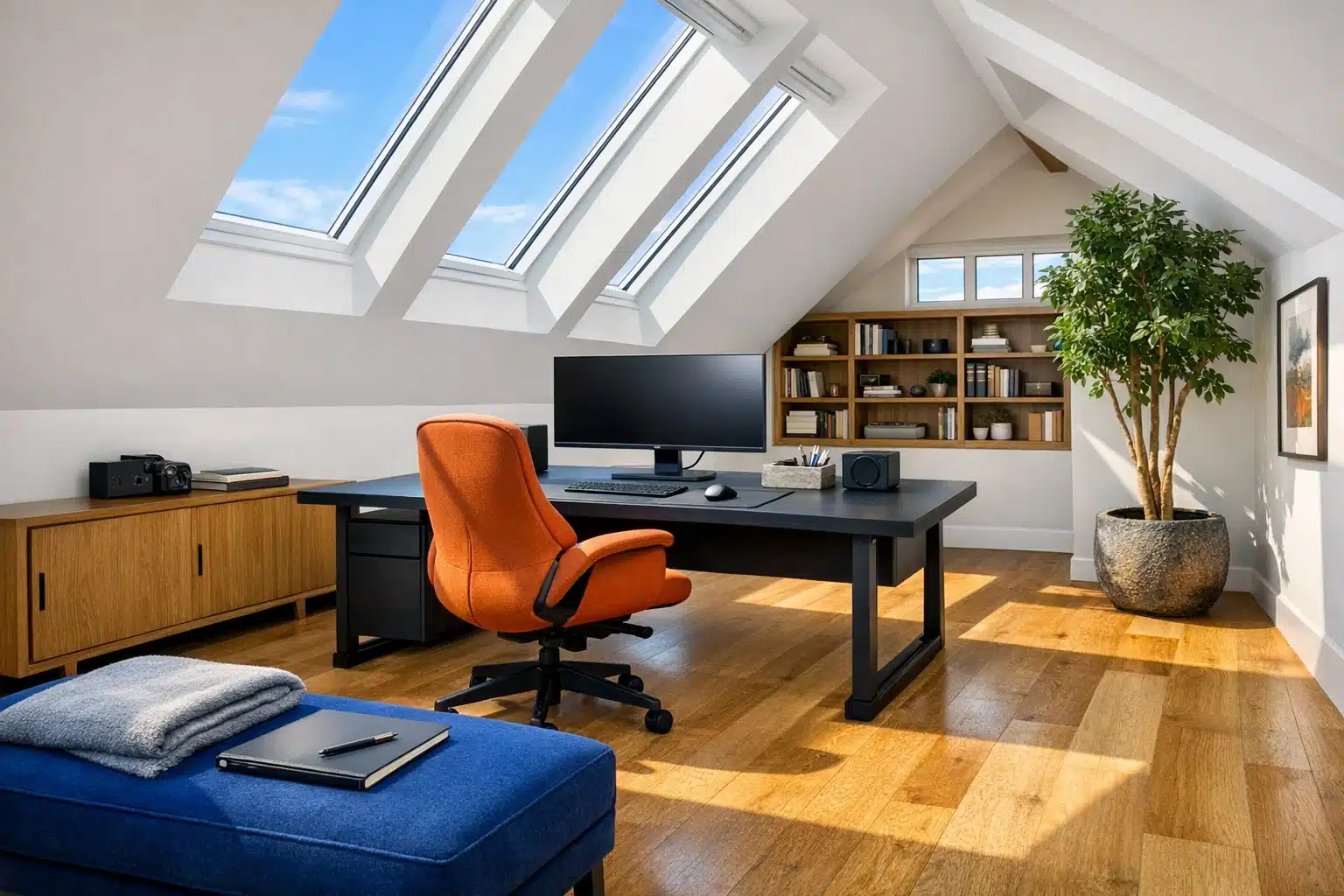
In living rooms, begin with the seating arrangement. If the furniture faces only the television, the room can become purely functional. Adding a secondary focus, such as a fireplace wall, a large artwork piece, or a styled bookshelf, makes the room feel more balanced. Layer the lighting with ceiling light, table lamps, and possibly a floor lamp so the room works at different times of day. For wall decor, a large piece above the sofa often suits modern homes better than several tiny frames. If the room lacks storage, choose a media unit or console that hides cables and visual noise; modern style looks sharper when practical mess is controlled.
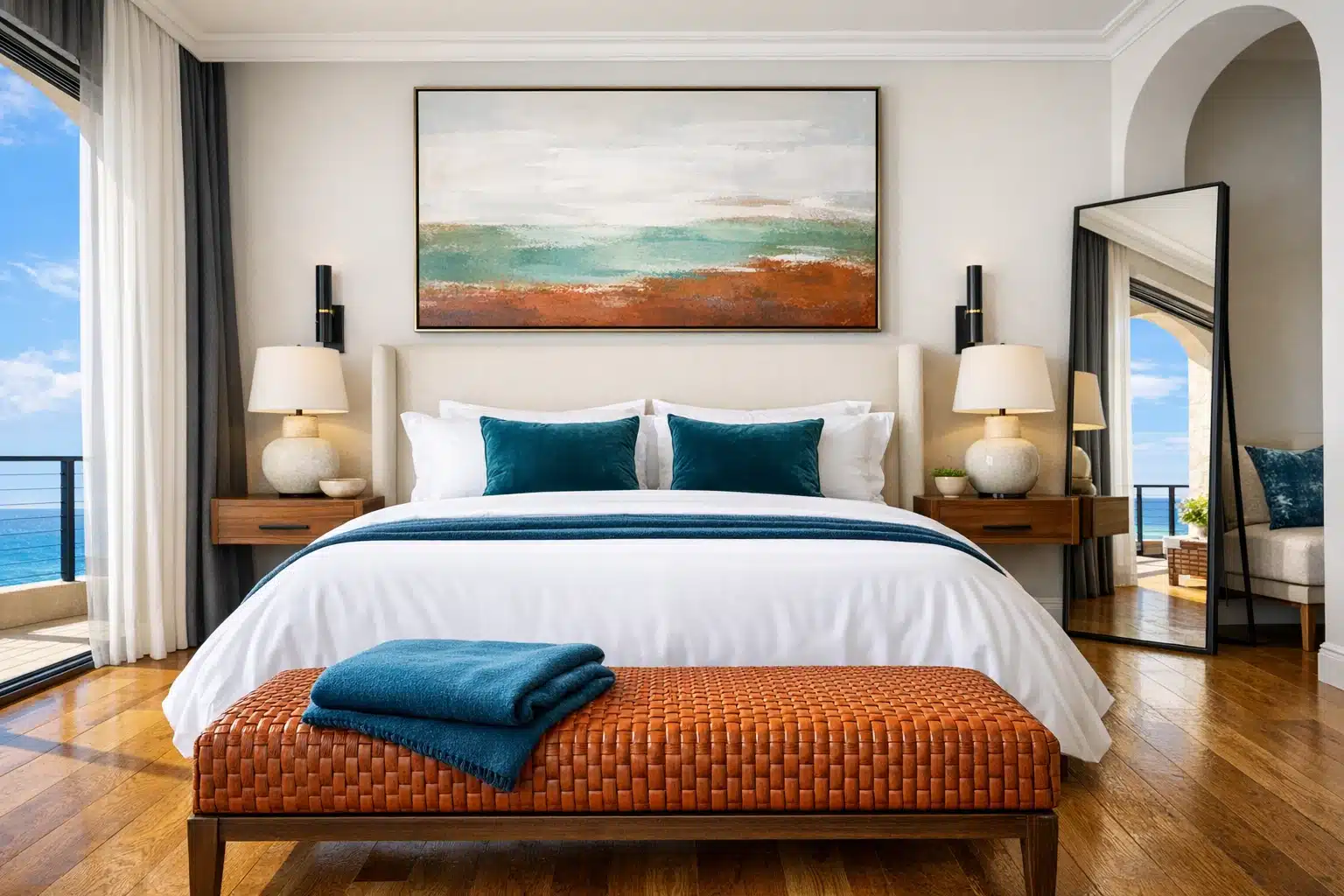
Bedrooms usually improve when decor decisions reduce stimulation rather than increase it. Upholstered headboards, linen bedding, blackout curtains, and warm lamps can change the quality of the room more than bright accent colors ever will. Wall decor above the bed should feel grounded and proportional. Symmetry works well here: matching sconces, bedside tables, or art arrangements often create calm. If space is limited, wall-mounted shelves or pendant lights can free up surface area without sacrificing style.
In kitchens and dining zones, accessories should be edited carefully because these rooms already contain many functional items. A bowl of fruit, a ceramic vase, a timber board, or a small framed print can be enough. Open shelving looks attractive in photos, but it demands consistency and upkeep. Closed storage is often the better choice for busy households, with a few visible objects left out for warmth. In dining areas, a mirror can help reflect light, while a centered pendant visually anchors the table.
Small spaces require especially strategic decisions. Mirrors can amplify available light. Vertical storage makes use of wall height. Transparent or leggy furniture can keep sight lines open. Large-scale pieces are sometimes better than many tiny ones because they reduce visual fragmentation. Renters can rely on removable wallpaper, leaning frames, plug-in sconces, and decorative screens to personalize a home without permanent changes. Homeowners may choose molding, built-ins, or statement paint finishes for more permanence.
Useful room-by-room reminders:
• Living room: prioritize conversation, lighting, and one clear focal wall.
• Bedroom: choose softness, symmetry, and reduced visual noise.
• Kitchen: keep countertops functional and decor minimal.
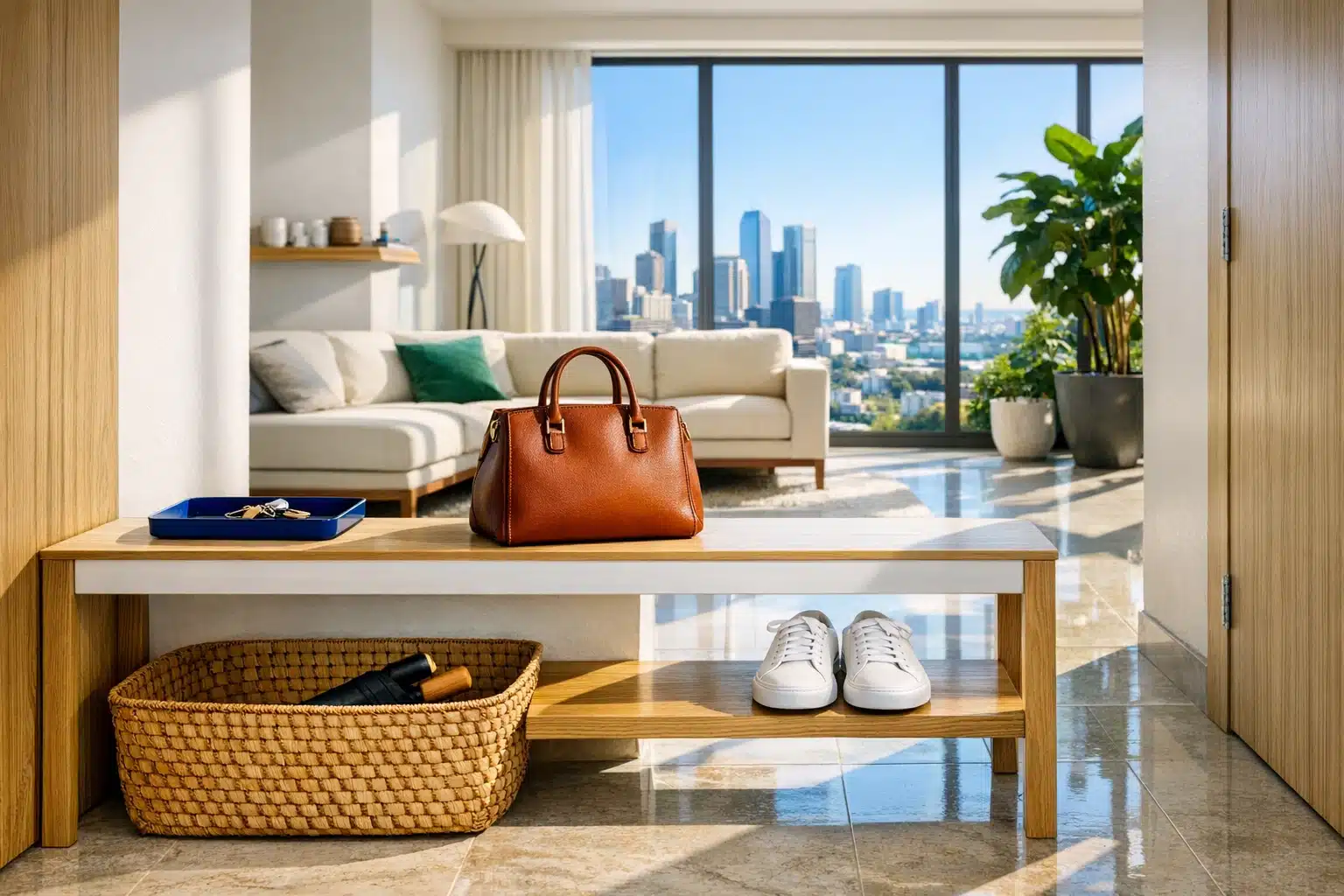
• Entryway: add a mirror, narrow console, or wall hooks for instant order.
The best decorating ideas are not copied room by room. They are translated. What works in a spacious open-plan house may need a lighter, more compact version in a studio apartment. Good style survives that translation because it is built on principles, not just imitation.
5. Conclusion: Bringing Everything Together with Budget, Personality, and Long-Term Balance
For most people, home decorating is not a one-week transformation. It is a gradual process of editing, layering, and learning what truly improves daily life. That is good news, because the most inviting homes rarely appear fully formed. They evolve. A room gains depth when practical foundations, wall treatments, and modern accessories are added in the right order. First make the space function, then decide where attention should land, and finally use accessories to refine the atmosphere.
Budget matters, but a limited budget does not automatically lead to limited results. In fact, constraints often encourage better decisions. Rather than buying many inexpensive items at once, it is usually wiser to prioritize pieces with the greatest impact. In a living room, that might be the rug, sofa, lighting, and main wall art. In a bedroom, it might be the mattress, bedding, curtains, and bedside lighting. Once those essentials are right, smaller accessories can be added slowly. This staged approach reduces impulse purchases and leads to rooms that feel more collected than rushed.
There is also growing value in sustainable decorating. Reusing furniture, shopping secondhand, reupholstering well-made pieces, and choosing natural materials can reduce waste while adding individuality. Vintage mirrors, solid wood side tables, handmade ceramics, and older brass lamps often bring more character than mass-produced items. A home feels richer when it includes a mix of old and new, polished and imperfect, practical and expressive. That mix is often what makes a room memorable. Perfection, by contrast, can feel oddly forgettable.
If you are unsure where to begin, keep the process simple:
• Measure first and plan the layout.
• Pick a clear palette with one or two accent directions.
• Decide which walls deserve a focal treatment.
• Add lighting and textiles for warmth.
• Edit surfaces so accessories support the room instead of crowding it.
For readers trying to create a home that feels modern without losing comfort, the central lesson is straightforward. Wall decor should build structure, not noise. Accessories should contribute function as well as style. Decorating should reflect the way you live, not just the way a room looks in a single photograph. When those ideas work together, the result is a home that feels current, personal, and easy to inhabit day after day. That is the real goal: not a perfect interior, but a thoughtful one that welcomes you back every time you walk through the door.