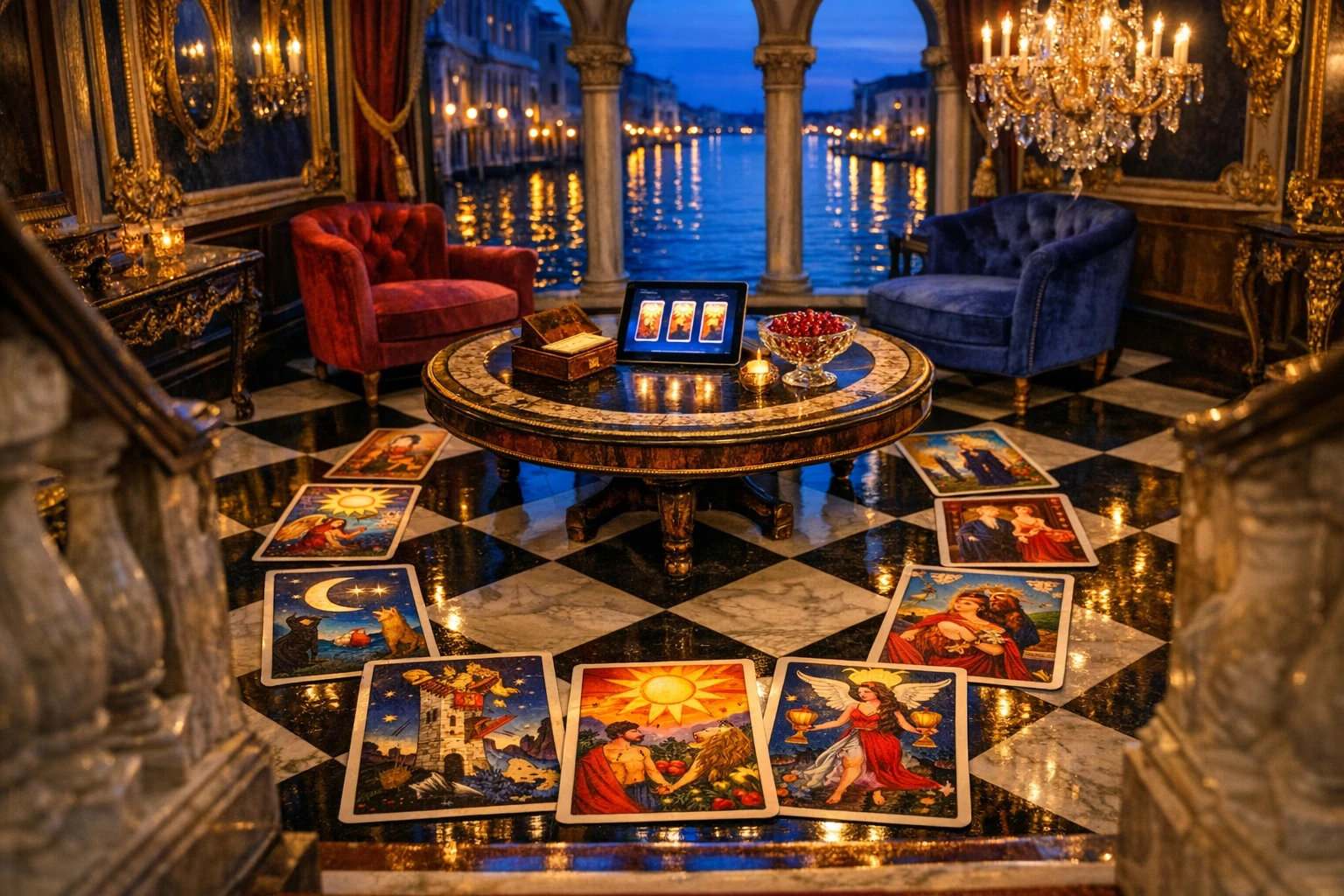
Understanding Tarot Card Reading: A Guide to Online Tarot Readings
Tarot card reading has moved from candlelit parlors and printed guidebooks into apps, video calls, and browser tabs, yet its core appeal remains surprisingly steady: people use it to reflect on questions, patterns, and possibilities. That makes the topic relevant today, not because tarot can be proven to predict events, but because it offers a structured language of symbols that many readers find helpful for insight, storytelling, and personal exploration in a digital age.
Outline: this article begins with tarot’s origins and deck structure, then explains how a reading works in practice, compares in-person and online tarot reading formats, examines how to choose tarot cards online responsibly, and closes with practical guidance for beginners who want a balanced, useful starting point.
The Foundations of Tarot: History, Deck Structure, and Symbolic Language
To understand tarot card reading, it helps to begin with what tarot actually is before jumping into dramatic assumptions. A standard tarot deck contains 78 cards. Of these, 22 belong to the Major Arcana, a set of cards often linked to large themes, turning points, or enduring life lessons. The remaining 56 form the Minor Arcana, which is divided into four suits. In most modern decks, those suits are Cups, Pentacles, Swords, and Wands. Each suit includes numbered cards and four court cards, creating a structure that is both orderly and flexible.
Historically, tarot did not begin as a mystical system. The earliest known tarot decks appeared in 15th-century Europe, especially in parts of Italy, where they were used for card games. The occult and divinatory meanings most people associate with tarot developed later, particularly from the 18th century onward. One major milestone came in 1909 with the publication of the Rider-Waite-Smith deck, illustrated by Pamela Colman Smith under the guidance of A. E. Waite. That deck had an enormous influence on modern tarot because its richly illustrated Minor Arcana made interpretation more accessible to beginners and working readers alike.
Part of tarot’s enduring appeal lies in symbolism. A card is never just a card on the table. The Fool may suggest openness, risk, or a beginning; The Hermit may imply solitude, reflection, or a search for wisdom; the Three of Swords may represent sorrow, honesty, or emotional clarity depending on context. The cards act less like a rulebook and more like a visual vocabulary. That is why two readers can look at the same spread and notice different but still coherent themes.
Several facts make tarot especially interesting as a cultural tool:
• It combines art, storytelling, and ritual.
• It has evolved across centuries rather than remaining fixed.
• It exists in traditional, modern, minimalist, and highly specialized deck designs.
• It is used by people for spiritual practice, journaling, and reflective conversation.
In practical terms, tarot is best understood as a symbolic system rather than a machine that guarantees answers. Some people approach it spiritually, others psychologically, and many simply enjoy the structure it gives to introspection. Picture a window covered in rain: tarot does not remove the weather, but it can change how you look through the glass. That is a useful starting point for anyone curious about tarot cards online, because the digital format still rests on the same old foundation of images, patterns, and human interpretation.
How a Tarot Card Reading Actually Works
A tarot card reading is often misunderstood as a one-step event in which someone asks a question, cards appear, and a fixed answer drops from the sky. In reality, a thoughtful reading is usually a layered process that involves the question, the spread, the imagery of the cards, the reader’s interpretive style, and the seeker’s own context. Whether the setting is a quiet room or a phone screen, the mechanics remain fairly consistent.
Most readings begin with a focus. The question can be broad, such as “What should I understand about my current direction?” or more specific, such as “What dynamic is shaping this work conflict?” Open-ended questions usually produce better results than requests for rigid yes-or-no predictions because tarot functions through nuance. A reader then draws cards according to a spread, which is simply an arrangement that assigns meaning by position. A three-card spread, for example, may represent past, present, and future, or situation, challenge, and advice. A Celtic Cross spread is more complex and can explore multiple layers at once.
Interpretation is where the reading comes alive. The meaning of a card changes depending on its neighbors, its position, the wording of the question, and the tradition the reader follows. The Tower beside the Star feels different from The Tower beside the Five of Pentacles. One suggests upheaval followed by renewal; the other may point to disruption complicated by scarcity or insecurity. The cards do not speak in sentences, yet they invite the reader to build one.
There are also important boundaries to understand. Tarot is not a scientifically validated method for predicting exact events, and responsible readers usually say so openly. Many people find it valuable because it encourages reflection, helps surface assumptions, or provides a fresh angle on a problem. In that sense, tarot can function like a guided conversation with symbols. It may sharpen a question more effectively than it supplies a final verdict.
A grounded reading often includes these elements:
• A clearly stated question or area of focus
• A spread suited to that topic
• Attention to recurring symbols, suits, and card combinations
• Interpretation without exaggerated certainty
• Space for the seeker to respond rather than passively receive
Consider a practical example. Someone feeling stuck in their career draws the Eight of Pentacles, the Two of Wands, and Judgment. A reader might discuss skill-building, planning beyond current limits, and the need to answer a stronger internal call. None of that guarantees a promotion next month, but it can be useful. At its best, tarot card reading does not replace decision-making; it enriches it by putting hidden tensions and possibilities into clearer view.
Online Tarot Reading: Formats, Tools, Benefits, and Trade-Offs
Online tarot reading has expanded the reach of tarot far beyond local shops and occasional fairs. Today, someone can book a live video session with an experienced reader in another country, receive a written interpretation by email, pull cards from an app during a train ride, or join a livestream where a reader addresses collective themes. The format has changed quickly, but the reasons people seek readings remain familiar: curiosity, comfort, perspective, and a desire to make sense of change.
There are several common formats for tarot cards online. Live video readings offer real-time interaction and often feel closest to an in-person experience because tone, pace, and body language are still present. Phone readings provide privacy and convenience, especially for people who prefer not to be on camera. Chat-based readings are useful for those who want a written record to revisit later. Email readings tend to be slower but can be more detailed, since the reader has time to organize a fuller response. Automated readings, where a website or app shuffles virtual cards and generates text, are the most accessible but usually the least personalized.
The strengths of online tarot reading are easy to see:
• Convenience: no travel, simpler scheduling, broader access
• Choice: users can compare reading styles, deck aesthetics, prices, and specialties
• Privacy: some people feel more comfortable asking sensitive questions from home
• Accessibility: rural users or people with mobility constraints may have far better options online
Still, digital ease creates trade-offs. The internet lowers barriers for skilled readers and unskilled sellers alike. A polished website does not prove depth, ethics, or experience. Automated interpretations can also flatten the subtlety of tarot. An algorithm may assign a standard meaning to The Moon, but it cannot truly weigh your question, the surrounding cards, your tone, or the emotional texture of the moment. That does not make digital tools useless; it simply means their purpose should be understood correctly.
One useful comparison is this: a live online reading is like a conversation in a well-lit room, while an automated draw is more like reading a symbolic weather note pinned to a bulletin board. Both may be interesting, but they offer different depths. Search interest, app growth, and digital wellness trends all suggest that online spiritual tools have become part of mainstream browsing behavior. As a result, online tarot now sits beside meditation apps, journaling tools, and coaching platforms as one more way people explore meaning. The real question is not whether it exists, but whether the format matches your needs, budget, and expectations.
Choosing Tarot Cards Online Wisely: Readers, Platforms, and Red Flags
The phrase tarot cards online can refer to many different things: digital decks, automated card generators, marketplaces for private readers, live-streamed group sessions, educational resources, and communities where people trade interpretations. Because the category is broad, choosing well matters. A careful selection process can make the difference between a thoughtful experience and a disappointing one.
Start by deciding what you actually want. Are you looking for a personal reading, a tool for self-study, or a way to learn card meanings? A beginner practicing alone may benefit from a digital deck and a journal. Someone seeking dialogue may prefer a live session. A person comparing styles might begin with lower-cost chat readings before committing to a longer appointment. Clarity about purpose is the first filter, and it prevents a common mistake: buying a format that does not fit the goal.
When evaluating readers or platforms, transparency matters more than theatrical language. A trustworthy reader usually explains their process, outlines session length, shows sample topics, and avoids absolute promises. Tarot is interpretive by nature, so anyone guaranteeing exact outcomes, guaranteed reunions, or instant wealth deserves caution. Ethical readers also set limits. Many will say openly that tarot is not a substitute for legal, financial, or medical advice, which is a sign of professionalism rather than weakness.
Use this practical checklist when browsing:
• Read the service description carefully and look for specifics, not vague hype
• Check whether pricing, timing, and deliverables are clearly stated
• Look for reviews that mention detail, clarity, and professionalism rather than miracle claims
• Notice whether the reader discusses boundaries and consent
• Be cautious if the service pressures you into repeated purchases or urgent “curse removal” upsells
Privacy is another issue that deserves more attention than it often gets. Online readings may involve personal stories, relationship concerns, and emotional vulnerability. Before booking, see how the platform handles data, messages, recordings, and payment security. If you are using an app, notice what permissions it requests. A tarot service should not need excessive personal access just to shuffle virtual cards.
There is also a simple quality test: does the reading leave room for your agency? Good tarot does not lock the future in a glass case. It offers perspective, asks better questions, and helps you notice patterns you may have overlooked. A poor reading often does the opposite by replacing nuance with fear or dependence. In a crowded digital marketplace, the smartest approach is calm discernment. The cards may be mysterious, but your purchasing standards should not be.
Conclusion for Curious Readers: How to Use Tarot Thoughtfully and Get More from It
If you are new to tarot card reading, the most useful mindset is neither blind belief nor instant dismissal. Tarot tends to work best when approached as a reflective practice with symbolic depth. For some people it supports spiritual routines. For others it functions more like guided journaling with images. Either way, the value usually comes from the quality of the question, the honesty of the interpretation, and the willingness to think rather than simply wait for certainty.
For beginners, a sensible starting routine can be surprisingly simple. Choose one deck style you find visually readable. Learn the broad difference between the Major and Minor Arcana. Pull one card a day and write a few lines about what the image suggests before checking a guidebook. That small pause matters. It helps you develop your own symbolic literacy rather than outsourcing every meaning immediately. Over time, patterns begin to emerge, and the deck starts to feel less like a coded object and more like a set of mirrors angled in different directions.
If you want to explore online tarot reading, match the format to your needs. A live session is best when you want dialogue. A written reading helps if you prefer time to absorb the message. A digital card draw can be enough for a daily prompt. In every case, keep expectations grounded. Tarot should support decision-making, not replace it. It can complement reflection on work, creativity, habits, and relationships, but major decisions still benefit from practical research, trusted conversation, and professional advice where needed.
A few closing tips can keep the experience balanced:
• Ask focused questions instead of demanding certainty
• Keep notes so you can evaluate whether a reading was useful over time
• Avoid readers who create panic or dependency
• Treat strong emotional reactions as a cue to pause and reflect
• Remember that symbolism is rich precisely because it is not mechanical
For the audience most drawn to tarot cards online, the real opportunity is not magical perfection but meaningful engagement. You can use tarot to slow down, frame a problem differently, notice emotional patterns, or reconnect with imagination in a world that often rewards speed over depth. That may sound modest, yet modest tools are often the ones people return to. The cards do not need to thunder like prophecy to be worth your attention. Sometimes a quiet image, turned over at the right moment, is enough to help you ask a better question and walk forward with clearer eyes.