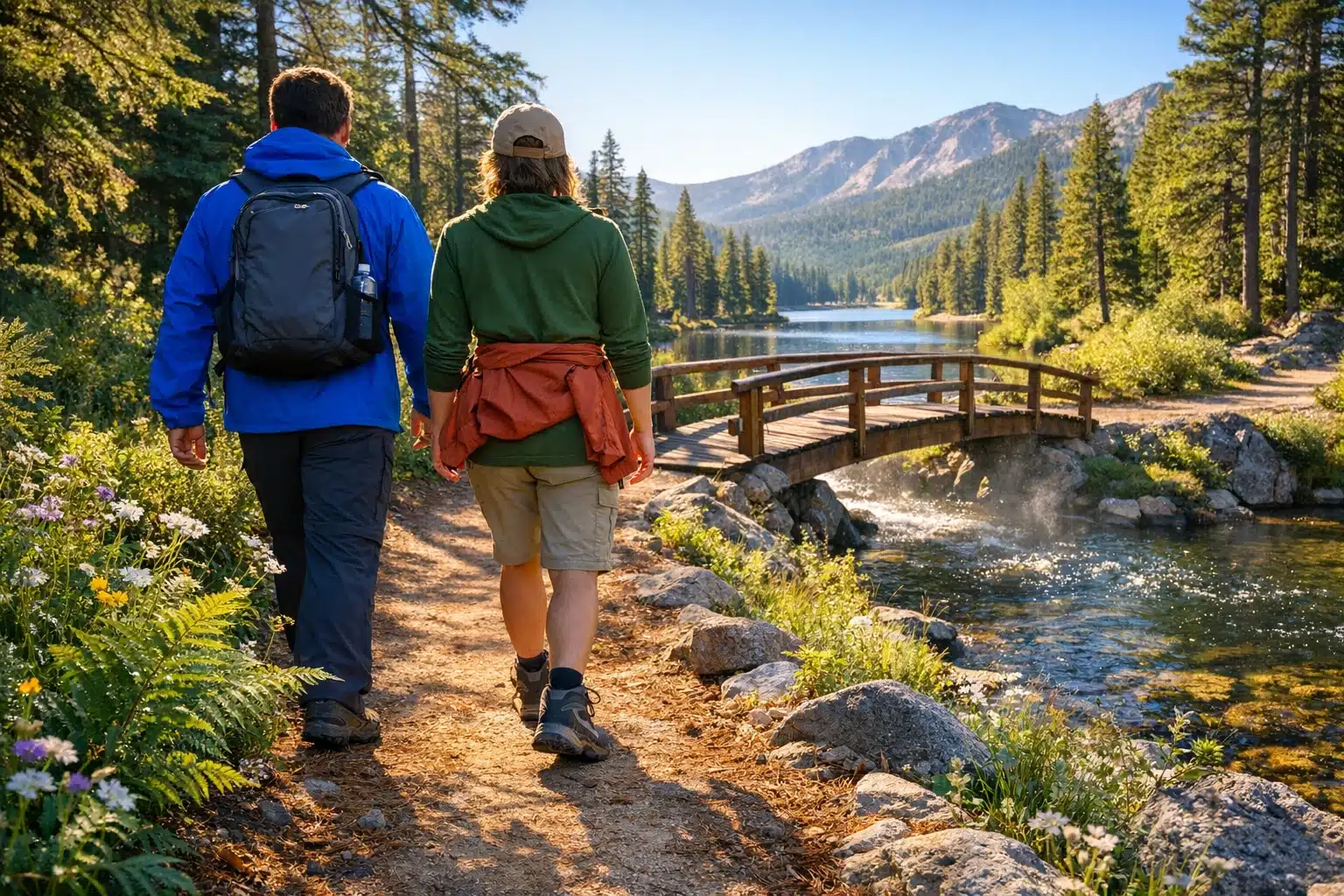
Beginner’s Guide to Hiking Tips, Best Gear, and Nature Trails
Hiking looks simple from a distance, yet a satisfying day on the trail depends on choices made before your boots touch dirt. Beginners often wonder what to pack, how to pace themselves, and which routes are worth trying without feeling overwhelmed. This guide brings those questions together in one practical read, covering trail basics, smart gear, and the kind of route planning that turns uncertainty into confidence. If fresh air, steady movement, and quieter hours outdoors appeal to you, the sections ahead will help you start well.
1. Article Outline and the Foundations of a Good First Hike
Before diving into details, it helps to see the map before the journey. This article follows a simple outline that mirrors the decisions most new hikers face. First, it explains how to prepare your mindset and expectations, because confidence on a trail is built from realistic planning rather than guesswork. Second, it covers beginner hiking habits such as pacing, hydration, navigation, and trail etiquette. Third, it compares essential gear so you can spend wisely instead of buying a pile of equipment that rarely leaves the closet. Fourth, it acts as a practical nature trail guide by explaining trail types, terrain signals, seasonal changes, and what to notice around you. Finally, it closes with beginner-focused advice on avoiding common mistakes and turning one decent hike into a lasting hobby.
- Understand what kind of hike matches your current fitness and available time.
- Learn the basic safety habits that reduce stress and prevent small problems from becoming big ones.
- Choose gear based on comfort, weather, and trail conditions rather than marketing language.
- Read trail features such as elevation gain, surface type, shade, water access, and route style.
- Finish with a repeatable approach you can use for future hikes.
For beginners, hiking matters because it sits at a useful crossroads: movement, exploration, and mental reset. A short walk on a marked path can improve mood, build endurance, and reconnect you with ordinary details that indoor life often hides, like wind moving through pine branches or the sudden quiet after a bend in the trail. Hiking also scales well. A one-hour riverside loop and a half-day mountain climb belong to the same activity, but they ask for different levels of preparation. That flexibility is part of the appeal.
The challenge is that hiking can look easier than it is. Distance alone does not tell the whole story. A flat four-mile path may feel gentle, while a three-mile route with steep climbs, loose rocks, and direct sun can feel much harder. Weather changes, footwear rubs, and water runs low faster than many first-timers expect. That is why good beginner advice is less about adventure slogans and more about practical judgment. Think of it as learning the grammar of the outdoors. Once you understand the basics, every trail becomes easier to read, and the experience shifts from uncertain effort to deliberate enjoyment.
2. Hiking Tips for Beginners: Planning, Pacing, and Staying Comfortable
The best beginner hiking tip is wonderfully unglamorous: start smaller than your ambition. New hikers often choose routes based on photos rather than trail data, then discover that scenic overlooks usually come with climbing, exposure, or longer mileage than expected. A better approach is to pick a route with clear signage, moderate distance, and an easy turnaround point. For many people, that means a well-marked trail of two to five miles with manageable elevation gain. A shorter success builds more useful experience than a long, discouraging struggle.
Planning begins with four trail questions. How long is the route? How much climbing does it involve? What will the weather feel like at that location and elevation? How easy is it to exit if something changes? Many hiking apps, park websites, and ranger stations provide this information. If a trail description says “rocky,” “exposed,” or “scramble,” read those words seriously. They are not decoration. “Exposed” can mean hot sun with little shade, while “scramble” may involve using your hands to climb over rocks.
Pacing is another skill beginners learn quickly. The trail is not a treadmill and should not be treated like a race. Start at a conversational pace, especially in the first twenty minutes, when people often burn too much energy. On hills, shorten your stride and keep a steady rhythm. If you can still speak in full sentences, your pace is usually sustainable. Take brief breaks before exhaustion arrives, not after it has already settled into your legs. This keeps muscles fresher and prevents the stop-start pattern that can make a hike feel harder than it is.
- Carry water and drink regularly rather than waiting until you feel very thirsty.
- Eat small snacks such as fruit, nuts, or a sandwich to maintain energy on longer outings.
- Tell someone where you are going and when you expect to return.
- Check sunset time so you are not learning trail navigation in fading light.
Comfort also depends on trail etiquette and observation. Stay on marked paths to protect vegetation and reduce the chance of getting lost. Uphill hikers often appreciate room to maintain momentum, and faster groups can pass more easily if you step aside safely. Keep noise low enough to hear birds, wind, and approaching people. Pack out all trash, including fruit peels and tissues. A good beginner hiker is not just someone who finishes the walk; it is someone who leaves the trail usable and pleasant for the next person.
Finally, be ready to turn back. That is not failure. It is judgment. If weather worsens, your feet are forming blisters, or a route feels beyond your comfort level, heading back early is often the smartest decision you can make. The mountains, forests, and coastlines are patient. They do not mind if you return better prepared next weekend.
3. Best Hiking Gear: What Matters Most and What Can Wait
Good hiking gear should solve real problems: sore feet, changing weather, thirst, navigation, and fatigue. For beginners, the smartest gear strategy is to buy slowly and prioritize function over image. You do not need an expensive, fully technical setup for local trails, but you do need a few dependable items that match the conditions. The first and most important choice is footwear. Trail runners are lighter, more flexible, and often more comfortable right away, making them a strong option for dry, maintained trails and lighter loads. Hiking boots provide more ankle coverage, stronger underfoot protection, and better durability on rocky or uneven terrain, though they are usually heavier and may take longer to break in. Neither option is universally better; the best choice depends on trail surface, weather, and your own feet.
Socks matter almost as much as shoes. Synthetic or merino wool socks generally handle moisture better than cotton, which tends to stay damp and increase friction. The same principle applies to clothing. Cotton may feel pleasant in daily life, but on a hike it can become heavy with sweat or rain. Lightweight synthetic layers or merino wool usually dry faster and regulate temperature more effectively. A simple layering system works well for most beginner outings: a moisture-managing base layer, an insulating mid layer if conditions are cool, and a windproof or waterproof outer shell when needed.
- Daypack: 15 to 25 liters is often enough for a short hike.
- Water: bottles are simple; hydration reservoirs make sipping easier while walking.
- Navigation: a paper map adds reliability, while a phone app adds convenience.
- Sun protection: hat, sunglasses, and sunscreen are often more important than beginners expect.
- Emergency basics: small first-aid kit, whistle, and a light source.
Backpacks are another area where comparison helps. A basic daypack can be perfect for short hikes if it sits comfortably and keeps the load stable. More expensive packs may offer better ventilation, hip support, and pocket layouts, which become more useful as distance grows. Trekking poles are optional for many beginners, but they can reduce strain on descents and improve balance on uneven surfaces. If you hike on steep trails or carry extra weight, poles become much more attractive.
It is also worth separating “essential” from “nice to have.” Essentials include footwear you trust, water, weather-appropriate clothing, navigation, a few calories, and emergency basics. Nice additions might include poles, gaiters, a camera, binoculars, or a filtered bottle for longer adventures. A good beginner kit is not the one with the most items. It is the one that covers real needs without turning your backpack into a moving storage unit. If your gear helps you walk farther, stay drier, and worry less, it is doing its job.
4. Nature Trail Guide: How to Read Routes, Terrain, and the Landscape Around You
A nature trail is more than a line on a map. It is a sequence of surfaces, slopes, habitats, and decisions. Once you learn how to read those clues, choosing a trail becomes easier and the walk itself becomes richer. Start with route type. An out-and-back trail follows the same path in both directions, which makes navigation straightforward and lets you turn around whenever needed. A loop offers variety because the return journey shows you new scenery, but it can make mid-hike exits less simple. A point-to-point route usually requires transportation planning and is less convenient for a first outing unless logistics are clear.
Next comes terrain. Trail descriptions often mention dirt, gravel, roots, rocks, mud, boardwalks, sand, or stream crossings. These details affect both difficulty and gear choice. A smooth forest path may be easy on the lungs but slippery after rain. A dry desert trail may look simple on paper yet become exhausting because of heat and sun exposure. Elevation gain is one of the clearest indicators of challenge. For example, a five-mile route with 1,000 feet of climbing can feel much more demanding than a longer but flatter trail. Beginners should also pay attention to altitude, shade, and water access, because comfort and safety depend on more than mileage.
- Easy trails often have stable surfaces, moderate grades, and strong signage.
- Moderate trails may include longer climbs, rougher footing, or less frequent markers.
- Strenuous trails often combine steep elevation, technical terrain, and longer commitment.
A good nature trail guide also teaches you to notice the living world around the path. Forest trails may offer cooler temperatures, softer footing, and a steady soundtrack of leaves and birds. Coastal paths can change quickly with wind, salt air, and shifting light. Wetland boardwalks provide wildlife viewing but may require more caution on slick surfaces. Mountain routes can open wide views, yet they also expose hikers to stronger weather. Each setting has its own rhythm. On a spring woodland trail, you may find fresh wildflowers and muddy edges. In summer, shade becomes a gift. In autumn, fallen leaves can hide roots and stones. In winter, short daylight changes the entire timing of a trip.
Trail signs deserve close attention. Blaze colors, numbered junctions, and distance markers help you confirm you are still on route. If markers disappear for too long, stop and assess rather than walking faster in hope. The landscape itself can guide you too. Streams, ridgelines, and changes in vegetation often reveal where water, wind, and slope shape the route. When you begin seeing those patterns, the trail stops being just a destination path and starts feeling like a conversation with the land.
5. Conclusion for New Hikers: Start Small, Learn Fast, and Build a Habit You Enjoy
If you are new to hiking, the main lesson is simple: your first goal is not to impress anyone; it is to create a repeatable experience you genuinely want to do again. That usually means choosing an approachable trail, wearing reliable footwear, carrying enough water, and giving yourself permission to move at your own pace. Hiking culture can sometimes make every outing sound epic, but many of the most satisfying walks are modest ones: a shaded loop after work, a weekend trail beside a lake, or a steady climb that ends with a view earned one patient step at a time. Those smaller trips teach judgment, and judgment is what makes bigger adventures possible later.
It helps to remember the common beginner mistakes. People overdress and overheat, underestimate the effect of hills, ignore weather shifts, rely on brand-new shoes, or forget that returning downhill can be tiring in a different way than climbing up. Others pack too much, turning a short outing into a shoulder workout, or too little, leaving themselves exposed to sun, thirst, or cold. The fix is not complicated. Build a personal checklist and refine it after each hike.
- Check route distance, elevation gain, weather, and sunset time.
- Wear tested footwear and moisture-managing clothing.
- Pack water, snacks, navigation, sun protection, and a few emergency basics.
- Tell someone your plan and expected return time.
- Turn back early if conditions or energy levels change.
Over time, you will notice that hiking rewards attention more than speed. You start to read clouds, judge surfaces, and recognize the difference between healthy effort and overreach. The outdoors becomes less like a puzzle and more like a place where your body and senses learn to cooperate. A trail can still surprise you, of course. That is part of its charm. One bend opens to birdsong, another to wind through tall grass, another to the pleasant realization that you are more capable than you were last month.
For beginners, that is the real promise of hiking: not instant mastery, but steady growth. Start with routes that fit your current ability. Choose gear that supports comfort and safety. Learn how trails speak through maps, signs, weather, and terrain. Do that consistently, and your hikes will become less about uncertainty and more about enjoyment, curiosity, and the quiet confidence that makes you want to lace up again next weekend.