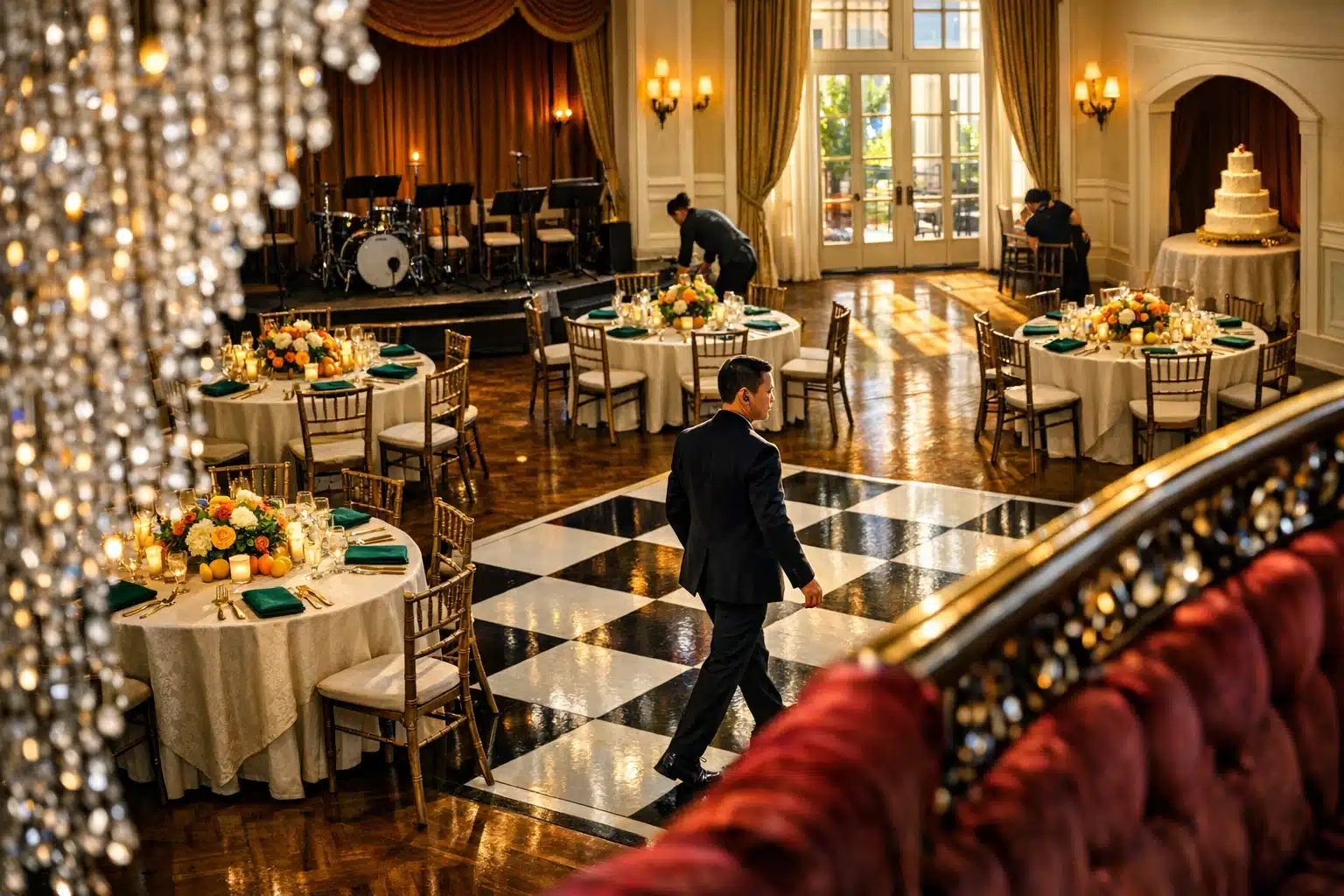
Wedding Planner vs. Wedding Coordinator: A Guide to Wedding Planning Services
Wedding Planner vs. Wedding Coordinator: A Guide to Wedding Planning Services
Behind every joyful wedding day is a long chain of decisions, deadlines, and moving parts that most guests never notice. Couples often begin with a vision board and quickly meet the reality of venue rules, contract terms, seating puzzles, family expectations, and a budget that needs constant attention. That is why understanding wedding planners, wedding coordinators, and planning services matters: the right support can turn a stressful process into one that feels organized, personal, and far more enjoyable.
Article Outline
- What a wedding planner does from the first planning conversation to the final walkthrough
- What a wedding coordinator manages before and during the wedding day
- The clearest differences between a planner and a coordinator
- The main types of wedding planning services, including pricing structures and contract details
- How couples can choose the right level of support based on budget, schedule, guest count, and event complexity
What a Wedding Planner Really Does
A wedding planner is the project manager, advisor, and logistics partner who helps shape the celebration from an early stage rather than stepping in only at the finish line. Many couples hire a planner soon after getting engaged because the first months set the tone for everything that follows. Decisions about guest count, venue style, season, cultural traditions, and budget all influence the next ten decisions, and those ten influence the next fifty. A skilled planner brings order to that chain reaction.
At the practical level, a planner often begins by building a realistic budget. Industry trends regularly show that venue, catering, rentals, photography, and entertainment take the largest shares of wedding spending, so a planner helps couples decide where to spend more and where to scale back. If a pair has a fixed amount, the planner can suggest adjustments before money disappears into small, emotional purchases. That kind of early clarity can be more valuable than any decorative detail.
A planner may also handle or guide the following tasks:
- Creating a planning calendar with clear deadlines
- Recommending venues and trusted vendors
- Reviewing contracts for timing, payment schedules, and service gaps
- Designing the event flow from ceremony to reception
- Managing guest experience details such as transportation, welcome bags, and room blocks
- Coordinating communication among vendors so the couple is not answering messages every evening
There is also a quieter part of the job that couples often appreciate only later: decision support. Weddings generate endless micro-choices, from linen texture to rain plans to family seating. A planner narrows options and explains trade-offs. For example, a couple considering an outdoor ceremony in a warm climate may hear not just “that looks beautiful,” but “you will also need shade, water stations, sound equipment, and a weather backup that works with your timeline.” That is the difference between inspiration and execution.
Some planners become deeply involved in design, while others focus on logistics and vendor management. Either way, their value comes from experience, process, and perspective. They see patterns that first-time hosts do not. When a wedding has multiple events, a large guest list, cross-cultural elements, or a tight planning window, that experience becomes especially useful. A planner does not replace the couple’s vision; the best ones protect it from confusion, missed details, and last-minute chaos.
What a Wedding Coordinator Handles Before and During the Event
A wedding coordinator usually enters the picture later than a planner and focuses on execution rather than the full planning journey. While service names vary by company, the role often begins four to eight weeks before the event, sometimes under labels such as “month-of coordination” or “day-of coordination.” That last phrase can be misleading, because a capable coordinator is rarely working for only one day. By the time the wedding arrives, they have already reviewed contracts, confirmed vendors, built a timeline, and prepared for dozens of little moments that need to happen on cue.
If the planner is the architect of the process, the coordinator is the stage manager of the live performance. On paper, a wedding schedule may look simple: ceremony at four, cocktails at five, dinner at six-thirty. In reality, every transition depends on timing, people, equipment, and communication. Someone has to make sure the florist arrives when the venue is open, the musician knows the processional order, the photographer is ready for family portraits, and the cake table is not placed in direct sunlight. That someone is often the coordinator.
Typical coordinator responsibilities include:
- Confirming final details with each vendor
- Creating a minute-by-minute timeline for the wedding day
- Organizing the rehearsal and ceremony lineup
- Supervising setup for décor, signage, place cards, and favors
- Managing deliveries, arrivals, and vendor questions
- Keeping the couple informed without burdening them with every issue
- Troubleshooting unexpected problems discreetly
This last point matters more than many couples expect. Weddings are live events, and live events come with surprises. A groomsman may forget his tie. A grandparent may need a chair moved. Transportation may arrive late. A coordinator absorbs those disruptions and keeps the day moving. Guests may never notice a problem occurred, which is often the best sign that the job was done well.
One common misunderstanding is the belief that a venue coordinator and a wedding coordinator are the same person. They are not. A venue coordinator protects the venue’s operations, staff, and schedule. They may be extremely helpful, but their main responsibility is the property and the services the venue provides. A wedding coordinator works for the couple and watches the whole experience through that lens. For couples who have planned most of the wedding themselves, a coordinator can be the bridge between months of preparation and one smooth, memorable day.
Wedding Planner vs. Wedding Coordinator: The Differences That Matter Most
The easiest way to understand the planner-versus-coordinator question is to look at scope, timing, and responsibility. A wedding planner helps build the event. A wedding coordinator helps run it. That may sound simple, yet the distinction affects budget, expectations, and stress levels in a very real way.
Scope is the first major difference. A planner is usually involved in broad strategy: setting priorities, selecting vendors, shaping design, tracking spending, and guiding decisions over months. A coordinator handles the final operational stretch: confirming what has already been chosen, arranging the timeline, and making sure the event unfolds as intended. If a couple still needs help choosing a venue, comparing caterers, or building a budget from scratch, they need planning support, not coordination alone.
Timing is the next divider. Planners often join early, sometimes twelve months or more before the date. Coordinators join later, once the event framework already exists. That timing changes the kind of help each can provide. A coordinator cannot redesign a budget that has already been overspent, and a planner is not always necessary for a small celebration that is mostly settled months in advance.
Here is a useful comparison:
- Choose a planner if: you are busy, overwhelmed, planning from another city, hosting a large guest list, blending traditions, or working with a complicated venue.
- Choose a coordinator if: you enjoy planning, already booked your vendors, and mainly want a professional to take over near the finish line.
- Consider both levels carefully if: your event includes multiple locations, custom production, extensive décor installation, or several pre-wedding events.
Budget also plays a role, but cheaper is not always more efficient. Some couples skip planning support to save money, then lose time and funds through rushed decisions, incomplete contracts, or duplicated rentals. Others hire full planning when a lighter package would have been enough. The goal is not to buy the biggest service; it is to match the service to the complexity of the event.
Imagine two weddings. The first is a 40-person garden ceremony with a restaurant dinner and minimal décor. The second is a 220-guest multicultural weekend with transportation, custom staging, and five vendors arriving before noon. Calling both events “a wedding” is accurate, but the management needs are completely different. That is why couples should compare roles based on workload rather than title alone. The right question is not “Which one is better?” It is “Which one solves the problems my wedding is likely to create?”
Types of Wedding Planning Services and How Pricing Usually Works
Wedding planning services are not one-size-fits-all. Between full-service planning and basic coordination, there are several levels designed for different budgets, personalities, and event structures. Understanding these service models helps couples avoid paying for support they do not need while also avoiding the very common mistake of underestimating what they do need.
The most comprehensive option is full-service planning. This package often covers budget development, venue and vendor sourcing, contract review, design guidance, timeline creation, guest logistics, and wedding-day management. It is most useful for couples with demanding schedules, destination events, or weddings with many moving parts. In many markets, full planning is priced as a flat fee or as a percentage of the total wedding budget, often somewhere in the 10 percent to 20 percent range, though structure and inclusions vary widely by city and by planner.
Partial planning is the middle ground. It suits couples who have started the process but want professional support with remaining tasks, problem-solving, or vendor recommendations. This option can be especially helpful when momentum fades halfway through planning and the to-do list becomes less glamorous and more technical.
Then there is coordination, often marketed as month-of or day-of support. This tends to cost less than full planning because the timeline is shorter and the scope is narrower. In many areas, couples may see coordination packages starting in the hundreds and extending into the low thousands, depending on guest count, staffing, and duration. Partial planning and coordination together often appeal to practical couples who want structure without handing over every decision.
Other service formats include:
- Design-only services focused on visual concept and décor planning
- Hourly consulting for couples who want expert advice without a full package
- Destination wedding planning with travel, room block, and local vendor support
- Elopement planning for intimate events with simplified logistics
When comparing proposals, couples should look beyond the headline price. A contract should clarify communication limits, number of meetings, site visits, rehearsal coverage, setup duties, staffing on the wedding day, and whether the planner or coordinator will be physically present for the full event. One package may look less expensive until add-ons appear for timeline creation, ceremony rehearsal, or assistant staff.
A thoughtful service comparison can prevent disappointment later. The strongest value usually comes from clarity: clear scope, clear expectations, clear availability, and clear responsibility. Weddings are emotional, but contracts should be refreshingly plain.
Conclusion: Choosing the Right Support for Your Wedding
If you are deciding between a wedding planner, a wedding coordinator, or a broader mix of planning services, the smartest choice begins with honesty about your time, temperament, and event complexity. Some couples love spreadsheets, vendor calls, and design boards. Others would rather do almost anything else. Neither approach is wrong. The point is to choose support that fits the way you actually live, not the way you imagine you might operate after three months of guest list revisions and weekend venue tours.
A planner is usually the best fit for couples who need strategic help from the start. That includes busy professionals, people planning from another location, hosts managing a large guest count, and anyone juggling layered traditions or several related events. A coordinator, by contrast, is ideal for couples who are comfortable doing most of the planning themselves but want a professional to carry the operational load in the final stretch. For many people, that handoff is the moment the whole process becomes enjoyable again.
Before signing with any provider, ask a few grounded questions:
- How much time can we realistically devote each week to planning?
- How many vendors, locations, and schedule transitions will our wedding involve?
- Do we need design help, logistical help, or both?
- Who will manage problems when we are getting dressed, greeting guests, or taking photos?
- What level of communication and decision support will make us feel confident rather than overwhelmed?
It also helps to remember that the best wedding planning service is not the one with the fanciest label. It is the one that protects your priorities. For one couple, that may mean full planning and a deeply collaborative process. For another, it may mean a sharp coordinator who steps in four weeks before the wedding and runs the day with calm precision. There is no universal formula, because weddings are personal by nature.
For engaged couples, families, and anyone comparing service packages, the takeaway is simple: define the workload before you define the title. When you understand what kind of help you need, the difference between planner and coordinator becomes much easier to navigate. And once the right support is in place, you can spend less energy chasing details and more energy paying attention to the reason for the celebration in the first place.