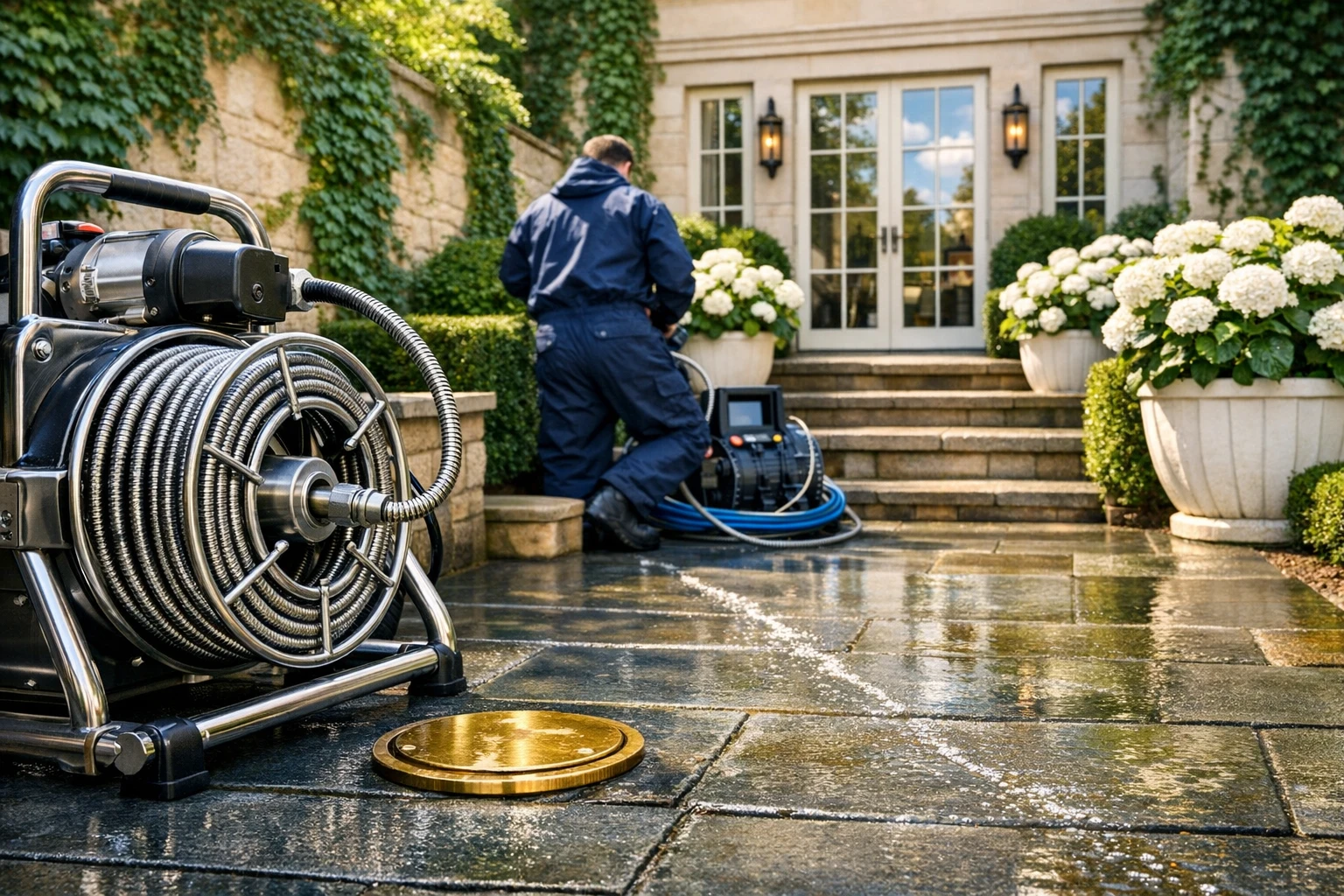
Emergency Drain Cleaning Services for Sewage and Clogged Drains
A blocked drain rarely appears at a convenient hour, and when wastewater begins to rise instead of disappear, a minor nuisance can become an urgent property problem in minutes. Clear drainage protects sanitation, prevents structural damage, and keeps kitchens, bathrooms, and workspaces usable. Knowing how drain cleaning services operate makes it easier to respond quickly, choose the right level of help, and reduce the chance of larger repairs later.
Article outline:
- Drain cleaning services and why they matter
- Emergency sewage drain cleaning and the health risks involved
- Emergency drain cleaning methods and how professionals solve urgent blockages
- DIY versus professional service, plus the value of preventive maintenance
- How to choose a provider and what homeowners or property managers should do next
Understanding Drain Cleaning Services and Why They Matter
Drain cleaning services cover far more than simply pouring a product into a sink and hoping for the best. In practical terms, these services diagnose, clear, and sometimes help prevent blockages in fixtures, branch lines, and main sewer connections. A kitchen drain slowed by grease behaves differently from a shower line packed with hair, and both differ again from a main sewer obstruction caused by roots, collapsed piping, or a foreign object lodged deep in the system. That difference matters because the most effective response depends on the location, cause, and severity of the clog.
Professional drain cleaning usually begins with symptom tracking. A single slow basin may point to a local blockage, while gurgling toilets, water backing up into a tub, or multiple fixtures draining poorly often suggest a wider system issue. Experienced technicians look for patterns because drains, like a neighborhood road map, reveal where traffic is piling up. When one route closes, the pressure shifts elsewhere. That is why a toilet bubbling during a laundry cycle is not random drama; it can be a clue that the main line is restricted.
Common services often include:
- Mechanical snaking for localized clogs
- Augering for tougher obstructions
- Video camera inspections to identify hidden causes
- Hydro jetting to remove grease, sludge, and debris from pipe walls
- Maintenance cleaning for older properties or high-use buildings
The value of these services is not limited to convenience. Delayed drainage can damage cabinets, flooring, drywall, and stored belongings. Moisture also creates conditions that encourage odor, staining, and microbial growth. In commercial settings, especially restaurants, salons, apartment buildings, and offices, slow drains can interrupt operations and trigger sanitation concerns. Time, in these situations, is money with wet shoes.
It is also important to compare cleaning with repair. Cleaning removes an obstruction or buildup; repair addresses the pipe itself. If a camera inspection reveals a cracked line, a sagging section, or root intrusion, cleaning may restore flow for now, but it will not permanently solve the structural problem. That is why trustworthy service providers explain whether the issue is maintenance, emergency response, or actual pipe rehabilitation.
Routine drain cleaning, when done appropriately, can also be preventive. Older homes with cast iron lines, properties with mature trees, and buildings with heavy daily usage may benefit from scheduled service rather than waiting for a backup. Prevention rarely feels exciting, but neither does sewage on a tile floor at midnight. In that simple comparison lies the quiet importance of drain cleaning services: they keep daily life moving by protecting the invisible network most people notice only when it fails.
Emergency Sewage Drain Cleaning: Risks, Response, and Why Speed Matters
Emergency sewage drain cleaning is different from ordinary clog removal because the stakes are higher. When sewage backs up into a home or commercial property, the problem is no longer just poor drainage. It becomes a sanitation issue involving contaminated water, unpleasant odor, possible property damage, and immediate disruption to normal use of bathrooms, kitchens, and floor drains. In restoration and sanitation guidance, sewage-contaminated water is generally treated as highly unsanitary because it may contain bacteria, viruses, and other harmful substances. That is why a sewage backup is handled with more urgency than a slow sink.
The warning signs are often hard to ignore. Toilets may overflow without a clear local cause. Wastewater can appear in a basement floor drain after someone uses an upstairs shower or washing machine. A strong sewage odor may linger near drains, especially if water movement has become sluggish across several fixtures. In the most severe cases, dark water and solids backflow into occupied spaces. At that point, emergency service is not a luxury; it is part damage control, part health protection.
Immediate priorities usually include:
- Stopping water use in the building to avoid worsening the backup
- Keeping people and pets away from affected areas
- Shutting off electricity near standing water if it can be done safely
- Calling a qualified drain or plumbing professional for urgent assessment
- Arranging sanitation and cleanup if contamination has spread indoors
Professional emergency sewage drain cleaning typically starts by locating the blockage quickly. If the main sewer line is obstructed, technicians may use a heavy-duty cable machine or hydro jetting equipment, followed by a camera inspection. The camera is especially useful because it helps determine whether the emergency came from grease buildup, roots, scale, a foreign object, or pipe damage. This distinction shapes the next step. A temporary clearing may restore flow, but a cracked or collapsed line can cause repeat backups if left unresolved.
Comparing sewage emergencies with standard drain clogs helps clarify the response. A bathtub draining slowly is inconvenient. A basement drain releasing wastewater is a property event with hygiene implications. One may wait for a scheduled appointment; the other often requires same-day service. Another key difference is cleanup. Clearing the line restores function, but contaminated surfaces, porous materials, and standing water may also need professional remediation. A successful emergency response often involves both pipe service and sanitation measures.
There is also a human side to sewage emergencies that deserves mention. People are often embarrassed by the mess, especially in homes with guests, tenants, or customers on site. Yet these events are common enough that professionals see them as technical problems, not moral failures. Tree roots do not care about your weekend plans, and old sewer lines rarely ask permission before causing trouble. Acting quickly, documenting the issue, and focusing on safe cleanup are the practical steps that matter most. In an emergency, calm is useful, but speed is essential.
Emergency Drain Cleaning Methods: Tools, Techniques, and Time-Sensitive Decisions
When a drain emergency happens, the method used to clear it matters almost as much as the speed of the response. Different blockages require different tools, and a rushed but poorly chosen approach can damage pipes or leave enough debris behind for the problem to return. Professional emergency drain cleaning is effective because it combines diagnosis with technique instead of treating every clog as if it were the same stubborn lump.
One of the most common methods is mechanical snaking or augering. This approach uses a flexible cable to break through or retrieve an obstruction. It is often effective for localized clogs caused by hair, paper buildup, food residue, or small foreign objects. For a single bathroom sink or shower line, snaking can be a fast and practical answer. However, it may not fully clean pipe walls if the line is coated with grease, soap scum, or mineral scale. In those cases, the blockage may reopen temporarily but the underlying buildup remains like a half-cleared tunnel.
Hydro jetting is often used when more thorough cleaning is needed. This technique pushes high-pressure water through the line to scour away grease, sludge, sediment, and other stubborn residue along the inner pipe surface. It is especially useful in commercial kitchens, older drain systems with recurring buildup, and main lines affected by organic debris. Hydro jetting can be highly effective, but responsible technicians first assess pipe condition. Severely weakened or damaged lines may require caution, repair, or a modified approach before pressure cleaning is used.
Camera inspection has become one of the most valuable tools in emergency work because it reduces guesswork. Instead of treating symptoms alone, technicians can see the cause directly. A video inspection may reveal:
- Root intrusion in the main sewer line
- Bellies or sagging sections where waste collects
- Cracks, separations, or corrosion
- Grease accumulation narrowing the passage
- Objects such as wipes, toys, or hygiene products creating a blockage
These findings help determine whether the best path is cleaning, repair, replacement, or a combination of the three. This is an important comparison point. If a line is blocked by soft buildup, cleaning may restore reliable flow. If it is blocked because the pipe has shifted or collapsed, cleaning is only a temporary measure. The most useful emergency service is not just the fastest one; it is the one that identifies what will keep the property functional after the truck leaves.
Professionals also make time-sensitive decisions about access and containment. For example, a cleanout access point can make service faster and cleaner than removing a toilet to reach the line. In sewage situations, technicians may coordinate with cleanup or restoration teams if overflow has affected floors and walls. For the property owner, the big lesson is simple: emergency drain cleaning is not a single product or one-size-fits-all fix. It is a toolbox of methods chosen according to the type of pipe, the seriousness of the obstruction, and the risk of recurrence. Good emergency work solves today’s backup while revealing tomorrow’s risk.
DIY, Preventive Maintenance, and Professional Service: What Makes Sense for Each Situation
Most property owners eventually face the question of whether to fix a drain issue themselves or call a professional right away. The honest answer depends on the symptoms. A minor clog at one fixture may respond to simple steps, while multi-drain backups, sewage odor, or repeated overflows usually signal a problem that deserves professional equipment and diagnosis. Knowing the boundary between reasonable DIY care and risky delay can save both money and frustration.
For a basic, isolated slowdown, homeowners sometimes start with low-risk measures. Removing visible hair from a shower drain, cleaning a sink stopper, or using a plunger properly can work when the obstruction is near the surface. Hot water and dish soap may help loosen fresh grease in a kitchen line, though this is not a cure for heavy buildup. These small actions are best viewed as first aid, not a deep treatment. They may restore flow, but they do not reveal what is happening farther down the system.
DIY becomes less suitable when symptoms spread or intensify. Warning signs that usually justify a professional call include:
- More than one fixture draining slowly at the same time
- Water backing up into a tub when a toilet is flushed
- Recurring clogs in the same area
- Foul sewage odors near drains or cleanouts
- Overflowing floor drains or wastewater entering occupied spaces
Chemical drain cleaners deserve special caution. They are marketed as simple solutions, but repeated use can be hard on some pipe materials and may create a hazardous situation for anyone later opening the line. They also do little for solid obstructions, roots, or structural damage. In other words, they often attack symptoms more than causes. A professional technician with a cable machine or inspection camera is typically working with better information and a more targeted method.
Preventive maintenance sits between emergency response and full DIY independence, and it is often the most cost-effective strategy for properties with known risk factors. Older homes, restaurants, multi-unit buildings, and houses with large trees near sewer lines may benefit from scheduled inspections or periodic cleaning. Preventive work can include camera checks, drain line flushing, grease management, and advice about what should never go down the system. Flushable wipes, despite their confident packaging, are famous for creating expensive skepticism in plumbing lines.
The comparison is straightforward. DIY is useful for minor, visible, low-risk issues. Professional emergency service is the better choice when health, property damage, or system-wide blockage is involved. Preventive maintenance is what helps people avoid needing either approach at the worst possible time. If there is a quiet hero in drain care, it is not the dramatic midnight rescue. It is the routine attention that keeps a small restriction from turning into a contaminated mess on a holiday weekend.
Conclusion for Homeowners, Landlords, and Property Managers: Choosing Help and Reducing Future Emergencies
For homeowners, landlords, and property managers, the most useful takeaway is that drain problems should be treated according to their real scope, not their first impression. A slow fixture may be simple, but a sewage backup or multi-drain issue calls for urgent, professional attention. The goal is not just to get water moving again. It is to protect sanitation, limit damage, and understand whether the event was caused by buildup, misuse, aging pipe material, or a deeper sewer-line defect.
Choosing a provider is part of that strategy. In an emergency, a reliable drain cleaning company should be able to explain its process clearly, discuss likely causes, and recommend appropriate next steps after the immediate blockage is cleared. It helps to ask whether the service includes camera inspection, whether the technician can access the main line cleanout, and whether the problem appears to be maintenance-related or structural. Clear communication matters because emergency service is often stressful, and people make better decisions when the explanation is practical rather than vague.
When comparing service providers, look for qualities such as:
- Availability for urgent calls
- Experience with sewage backups and main line blockages
- Use of diagnostic tools rather than guesswork alone
- Transparent pricing and scope of work
- Willingness to explain preventive options after the emergency
Prevention should remain part of the plan after the crisis passes. Property owners can reduce risk by disposing of grease properly, avoiding wipes and hygiene products in toilets, addressing slow drains early, and scheduling maintenance where history or pipe age justifies it. Buildings with recurring trouble deserve a long-term view. Repeated clogs are not bad luck forever; sometimes they are evidence asking for better attention.
There is also value in preparation. Know where your cleanout is located if your property has one. Keep the number of a trusted plumbing or drain service company available before an emergency happens. If you manage rental units or commercial space, establish a reporting process so tenants or staff can flag odors, bubbling fixtures, or slow drainage before a backup spreads. These are small habits, but small habits often prevent large cleanup bills.
In the end, drain cleaning services, emergency sewage drain cleaning, and emergency drain cleaning all serve the same practical purpose: keeping a property safe, functional, and sanitary when the hidden plumbing system starts sending very public warnings. If you respond early, choose informed help, and take prevention seriously, you give yourself the best chance of turning a disruptive problem into a manageable one. That is the kind of result most property owners want: less mess, fewer surprises, and a building that works as quietly as it should.