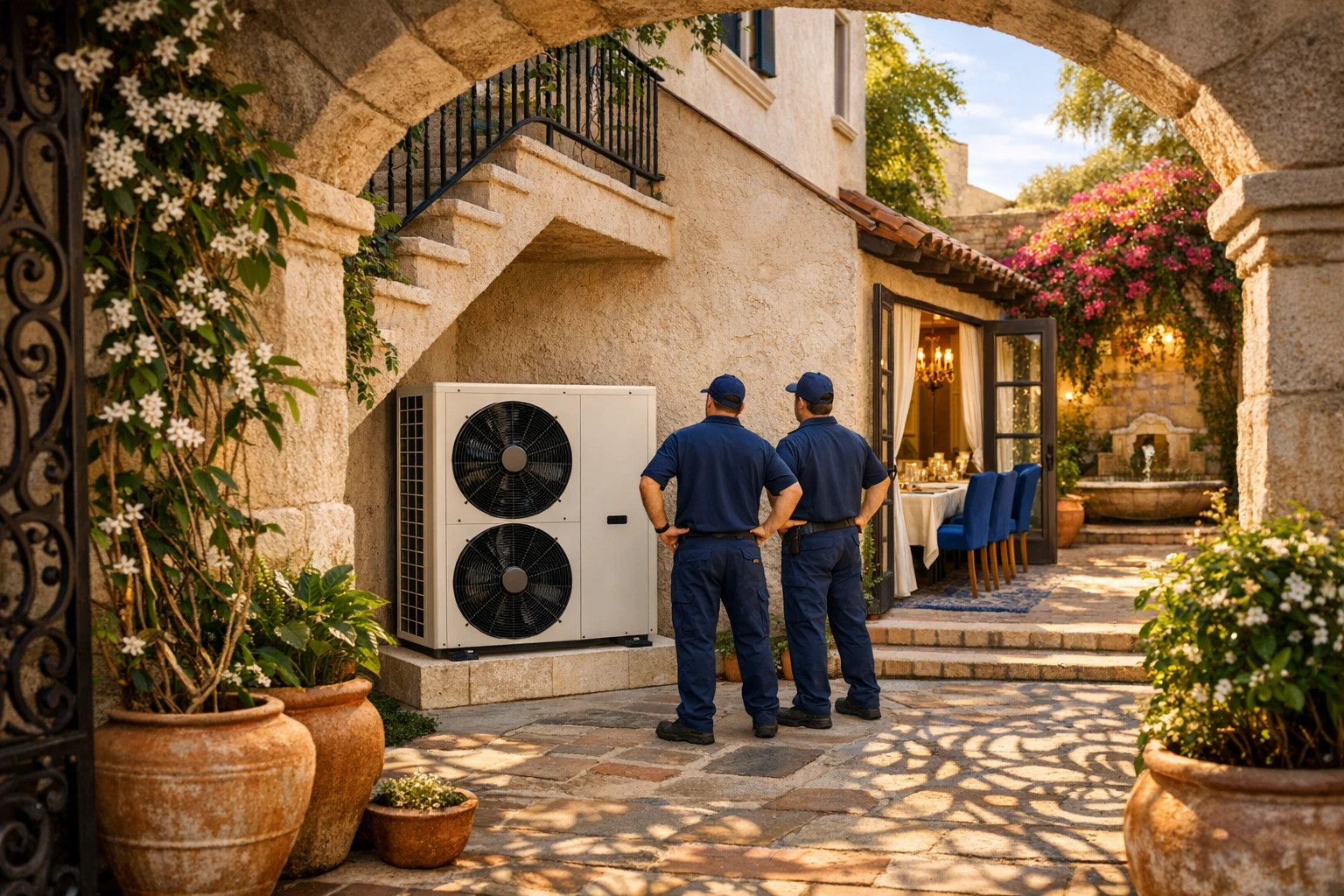
Affordable Air Conditioner Installation Near You
Why “Air Conditioner Installation Near Me” Matters
Choosing air conditioner installation near you is about more than speed; it shapes comfort, energy use, noise levels, and long-term repair costs. A well-matched system can cool rooms evenly, handle local climate demands, and avoid the strain that comes from poor sizing or rushed setup. This guide explains how installation works, how to compare affordable installers, and how to make a confident decision before the hottest day arrives.
Before diving into details, here is a simple outline of the article: • Why local installers can be easier to vet and faster to reach • How air conditioners installation works from sizing to final testing • Ways to compare affordable air conditioner installers without sacrificing quality • Typical cost drivers, energy efficiency factors, and long-term value • A practical conclusion for homeowners, renters, and small business decision-makers
Searching for “air conditioner installation near me” usually starts with urgency. Maybe the old system is groaning through a heat wave, or maybe a renovation is finally reaching the stage where comfort stops being optional. Local installers matter because climate conditions are local, building codes are local, and service expectations are local too. A contractor who regularly works in your area may already understand common housing layouts, permit steps, and weather-related demands, whether that means humid summers, dusty conditions, or homes with aging ductwork.
There are practical benefits as well. Nearby installers can often schedule site visits faster, and if something needs adjustment after installation, a local team may be easier to reach than a company operating from two counties away. That does not automatically make every local option better, of course. Proximity is a starting point, not a guarantee. The stronger question is whether the installer is licensed where required, insured, experienced with your system type, and willing to assess the home instead of tossing out a price in thirty seconds flat.
Good local research blends digital convenience with old-fashioned caution. Reviews can reveal patterns, but one glowing comment or one angry post should not decide the whole matter. Look for signs of consistency: • Detailed feedback about punctuality, cleanup, and communication • Mentions of accurate estimates instead of surprise add-ons • Evidence that the company handled warranty questions or return visits responsibly
The best “near me” search result is not always the one with the largest ad budget. Sometimes the smart choice is the contractor who asks about insulation, window exposure, square footage, and existing electrical capacity before talking numbers. That kind of curiosity is usually a good sign. In cooling, as in cooking, the final result depends less on flashy packaging and more on what happens behind the scenes.
Air Conditioners Installation: Systems, Sizing, and the Actual Process
Air conditioners installation can sound straightforward, yet the work involves several decisions that affect performance for years. The first major choice is the system itself. In many homes, the comparison comes down to central air and ductless mini-splits. Central systems cool the whole house through ductwork and are often ideal when ducts already exist and are in decent shape. Ductless mini-splits work well for additions, older homes without ducts, garages, or households that want room-by-room control. Window units and portable units exist too, but they belong more to plug-in cooling than full HVAC installation.
One of the most important steps is sizing. Bigger is not always better. An oversized unit may cool a space too quickly, which sounds good until humidity stays behind and the system short-cycles. That repeated on-and-off pattern can increase wear and reduce comfort. An undersized unit can run for long stretches and still struggle on the hottest afternoons. Professional installers often use a load calculation that considers square footage, insulation, ceiling height, sun exposure, windows, occupancy, and heat-producing appliances. That is more reliable than guessing based on the old unit or using a rough rule of thumb.
The installation process usually includes several stages: • Evaluating the home and confirming the proper equipment size • Removing the old unit, if there is one • Setting the outdoor condenser on a stable base with proper clearance • Installing or connecting the indoor air handler, evaporator coil, or furnace coil • Running refrigerant lines, electrical connections, thermostat wiring, and condensate drainage • Pressure testing, vacuuming the lines, charging the system correctly, and checking airflow
For a standard replacement where the existing setup is sound, the work may take several hours to one day. A new installation with duct modifications, electrical upgrades, or multiple mini-split zones can take longer. Permits may also be required depending on the location and the scope of work.
Quality installation is not just about getting cold air at the end of the day. It is also about airflow balance, safe wiring, proper drainage, and manufacturer-approved procedures. A system with an excellent efficiency rating can still perform poorly if the ducts leak, the refrigerant charge is incorrect, or the thermostat is badly placed. The small details do the quiet heavy lifting. When installation is done well, the result feels almost invisible: steady cooling, lower stress, and a home that does not turn into a greenhouse by midafternoon.
How to Find Affordable Air Conditioner Installers Without Cutting Corners
Affordable air conditioner installers are not necessarily the cheapest bidders. In fact, the lowest estimate can become the most expensive option if it leaves out permits, uses mismatched components, skips commissioning steps, or relies on inexperienced labor. Affordability is really about value: fair pricing, competent workmanship, clear communication, and realistic expectations about what is included.
A smart comparison starts with multiple written estimates. Three quotes is a common benchmark because it gives enough contrast without creating unnecessary noise. Ask each installer to break out the cost of equipment, labor, accessories, and any recommended improvements such as thermostat upgrades, duct sealing, or electrical work. When one bid is dramatically lower than the others, do not celebrate too early. First ask why. Maybe the equipment efficiency is lower, the warranty is shorter, or key materials have quietly vanished from the proposal like socks in a dryer.
Here are useful questions to ask before hiring: • Are you licensed and insured for HVAC work in this area? • Will you perform a sizing calculation before finalizing the system? • What brand and model are you quoting, and what is the efficiency rating? • Does the price include permits, haul-away, line set work, and thermostat setup? • What labor warranty do you offer in addition to the manufacturer warranty? • Who handles warranty service if a problem appears after installation?
Price can also improve with timing. In many markets, spring and fall are less frantic than peak summer, which may create better scheduling flexibility and sometimes better promotional pricing. Financing options, utility rebates, and manufacturer incentives can reduce the immediate burden, although it is wise to read the terms carefully. A rebate is helpful; a confusing contract is not.
Red flags deserve equal attention. Be cautious if an installer is willing to quote a full replacement without seeing the home, refuses to provide business details, pressures you into a same-day signature, or cannot explain why a certain system size was chosen. Trust also comes from communication style. A good installer usually explains things in plain language, answers follow-up questions, and acknowledges tradeoffs. For example, a lower-cost unit may save money upfront, but a quieter or more efficient model might fit a bedroom wing, home office, or long-term ownership plan better.
In the end, affordable installation is a balancing act. You want a crew that respects your budget without treating your home like a shortcut. The right company leaves you with a dependable system, a clear invoice, and the pleasant feeling that your money bought competence rather than drama.
Installation Costs, Efficiency, and Long-Term Value
The cost of air conditioner installation varies widely because homes vary widely. A straightforward replacement in a home with usable ducts, sound electrical service, and an accessible equipment location will usually cost less than a first-time central air installation in an older property. Ductless mini-split systems can be economical for targeted cooling, yet the price rises with each indoor head and zone. Exact numbers depend on region, brand, labor rates, and equipment size, but many homeowners find that a central air installation lands in the several-thousand-dollar range, while a single-zone mini-split may cost notably less than a full whole-house system but more than a basic window unit by a large margin.
Several factors shape the final estimate: • System size and efficiency rating • Existing duct condition or the need for new ductwork • Electrical panel upgrades or dedicated circuits • Line set replacement, condensate pumps, pads, brackets, or wall penetrations • Permit fees and inspection requirements • Access challenges such as attic work, roof placement, or tight crawl spaces
Efficiency matters because installation is not only a purchase; it is the starting point of years of utility bills. Newer systems with higher SEER2 ratings can offer meaningful savings compared with older, worn-out equipment, especially when paired with good insulation and reasonable thermostat habits. Still, efficiency on paper does not guarantee efficiency in practice. A poor install can waste the advantage of better equipment. Incorrect refrigerant levels, leaky ducts, or bad airflow are like putting premium fuel into a car with flat tires.
Homeowners sometimes ask whether it is worth paying more for a better installer or a better unit. In many cases, yes. A quality installation can help the system reach its expected lifespan, reduce service calls, and keep temperatures more stable across the home. The difference becomes especially clear during extreme weather, when marginal workmanship shows its flaws. Rooms may feel sticky, noisy, or unevenly cooled long before the equipment itself is technically broken.
Long-term value also includes maintenance and indoor comfort. Ask whether the installer recommends filter schedules, coil cleaning intervals, and annual inspection plans. Some companies offer service memberships, though these should be evaluated like any other purchase rather than accepted automatically. If your household includes allergy concerns, pets, or frequent cooking, discuss filtration and ventilation options too. Cooling is not just about lowering the temperature. It is about creating a space where the air feels lighter, sleep comes easier, and summer stops behaving like an uninvited roommate.
Conclusion: A Smart Path to Affordable Cooling Near You
If you are looking for air conditioner installation near you, the clearest takeaway is simple: focus on fit, not just price. The right system should match the home, the climate, and the way the space is actually used. A family with several occupied bedrooms, a remote worker who needs a quiet office, and a small business trying to cool customer areas may all need different solutions even if the square footage looks similar on paper. That is why thoughtful assessment matters so much.
For most readers, the best next step is to narrow the search to a few local installers with strong, detailed reviews and then request written estimates. Compare more than the bottom line. Look at sizing method, scope of work, warranty terms, efficiency ratings, and whether permits and follow-up support are included. A good proposal should make you feel informed, not cornered. If a company explains tradeoffs clearly and respects your questions, that often signals the kind of professionalism that continues after installation day.
Keep this practical checklist in mind: • Confirm licensing and insurance where required • Ask how the installer determined the proper system size • Review all included materials and labor in writing • Check warranty coverage for both parts and workmanship • Understand any rebate, financing, or maintenance offer before agreeing • Make sure the final choice supports both comfort and operating cost
Affordable air conditioner installers can absolutely deliver solid results, but the best value usually comes from careful planning rather than bargain hunting alone. A lower quote may be perfect if the company is thorough and transparent. A higher quote may be worth it if it includes better installation practices, stronger support, or equipment that suits your home more precisely. The goal is not to buy the fanciest system in town. The goal is to get dependable cooling, manageable bills, and fewer unwelcome surprises.
When summer arrives with its bright glare and stubborn heat, a properly installed air conditioner feels less like a luxury and more like good infrastructure. For homeowners, landlords, renters coordinating with property managers, and small business operators, that is the real win: comfort that works, costs that make sense, and a decision you are unlikely to regret once the temperature climbs.